Businesses & industry
Explore this record →A Bank Takes Shape as Electric Light Approaches
In September 1883, a new bank organized on Sunbury Street while a separate electric-light venture moved toward operation.
Shamokin Stories collection
Accounts of Shamokin’s people, industries, neighborhoods, institutions, and public life.
In September 1883, a new bank organized on Sunbury Street while a separate electric-light venture moved toward operation.
From June 25 through July 1, 1939, Shamokin’s Diamond Jubilee joined pageantry, parades, music, civic observances, and local business support in a weeklong anniversary celebration.
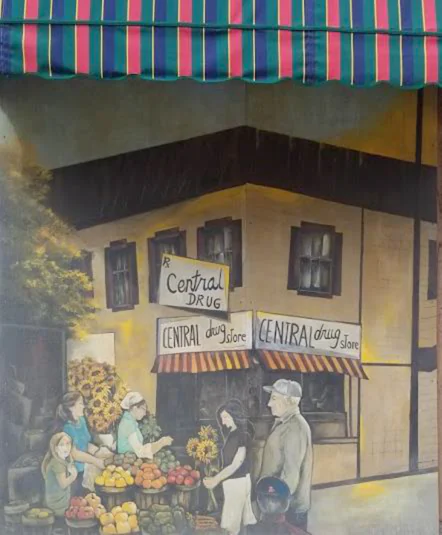
Grocers, butchers, bakers, druggists, dry-goods dealers, hardware stores, shoemakers, jewelers, and neighborhood proprietors filled Shamokin's surviving volumes with everyday commerce.
A separate Shamokin venue reported a completed program in 1903.
A December 1935 report placed a Benton physician at the center of David Shaffer’s capture after a car crash.
A 1903 theater report recorded the production and a moderately sized audience in Shamokin.
An April 1969 patent names Jack J. Gilbert as inventor and Bernard Frank of Shamokin as assignee of a hand-held garment steaming and pressing device.
A 1903 report records two performances at the G.A.R. Opera House.
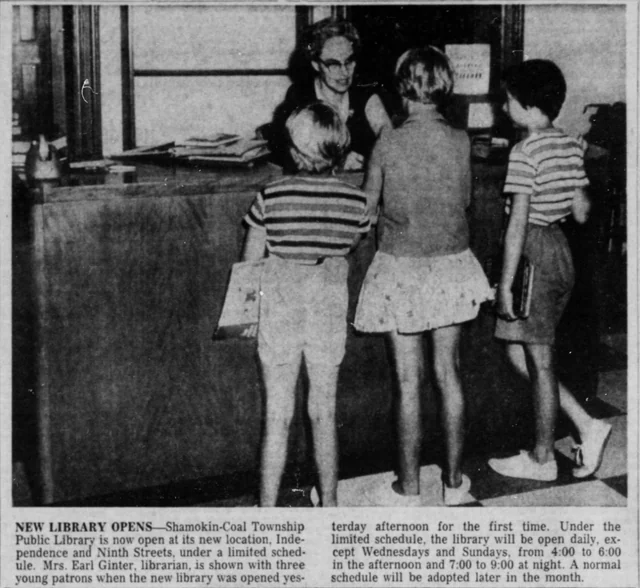
Fundraising drives, a ribbon cutting, a repaired sign, and a move across town trace the work that brought books within reach of Shamokin and Coal Township readers.
Shamokin’s Civil War veterans joined public remembrance with practical support and community organizing.
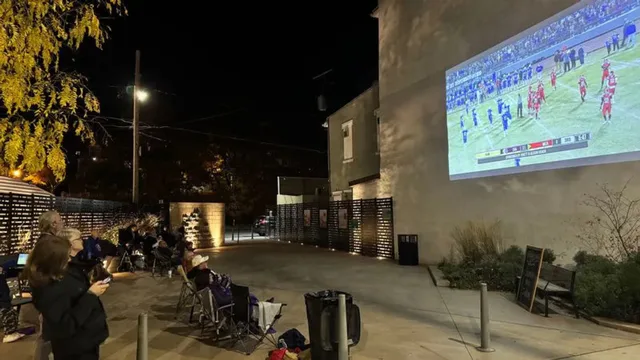
Ideas recorded for Shamokin’s second century in 1964 now sit beside the 2020 GoShamokin plan, the city’s 2024 exit from Act 47, and continuing street-safety work as milestones in a long process of downtown renewal.
A later telephone history dated Shamokin's change to all-number calling to July 17, 1960, separately from its earlier dial conversion.
A September 1953 opening at Eighth and Water Streets welcomed visitors before the announced start of book lending.
Two June 1910 reports followed the same attack from a Shamokin street corner to the hospital in Ashland.
A July 1896 storm report described a burned-out Shamokin Electric Light Company armature and temporarily disabled telephone lines across the county.
Shamokin's baby, pet, and youth procession went ahead on July 3, 1964, after a forty-minute weather delay.
A January 6, 1942 meeting created a cross-community committee whose first announced undertaking was a Red Cross War Fund drive.
A teacher became a physician, crossed Shamokin’s coal hills on house calls, and kept serving patients long after she expected to retire.
The March 24, 1977 Daily Item described HUD funding for acquisition, demolition, rehabilitation, and planned street improvements.
A signed June 11, 1884 agreement laid out machinery changes, an investigation of lamp breakage and a financial arrangement for Shamokin's electric plant.
An 1871 newspaper notice described a steam engine completed by Shamokin Iron Works for the fan at Henry Clay Colliery.
A farmer's reported discovery drew attention in Shamokin in October 1907, without establishing the stone's composition.
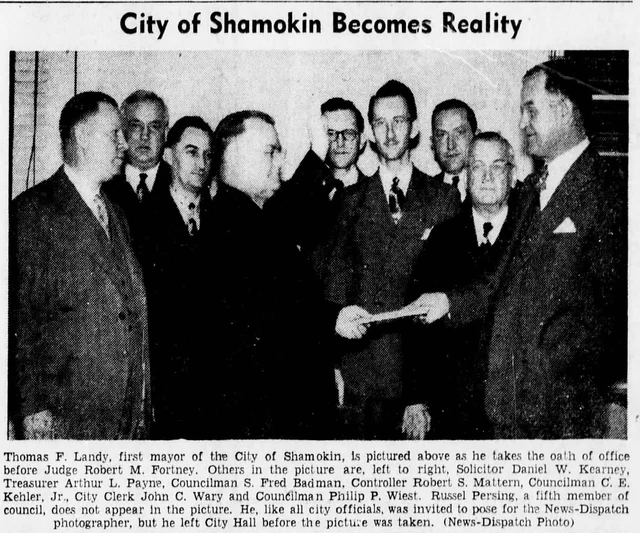
From the 1947 referendum to the 1950 organization of government, Shamokin’s city status arrived through several steps.
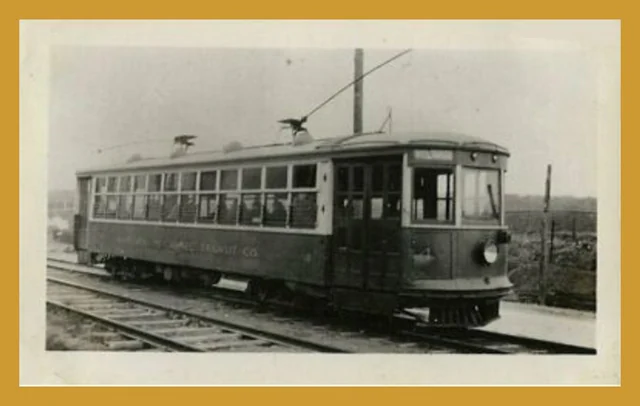
Express agents, blacksmiths, wagon makers, street-railway listings, tracks, and depots show how Shamokin moved people and goods before private automobiles reshaped the street.
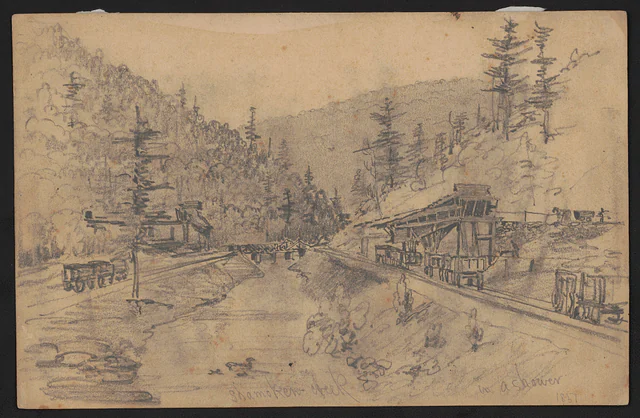
Shamokin Water Company’s 1872 incorporation and the beginning of public service in 1873 belong to a longer story that also includes an earlier pine-log line and the later Roaring Creek company.
The 1964 colliery history dated the start of a new Cameron breaker to October 1936 and described the steel structure as constructed in 1937.
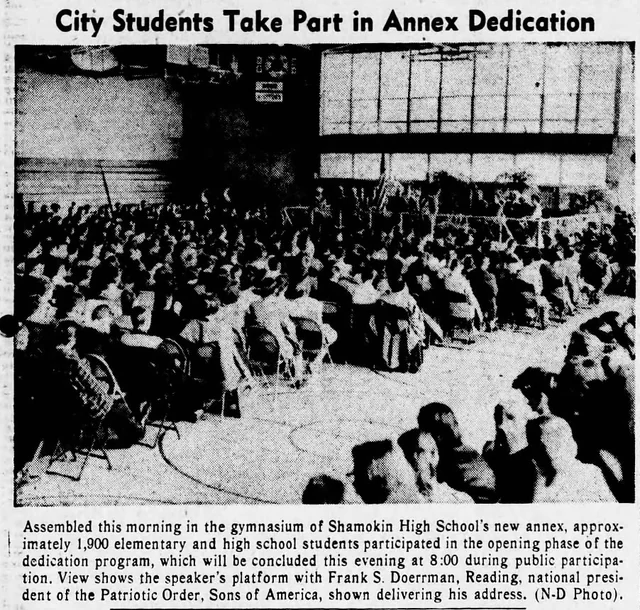
School construction and dedications show different communities preparing new spaces for their students.
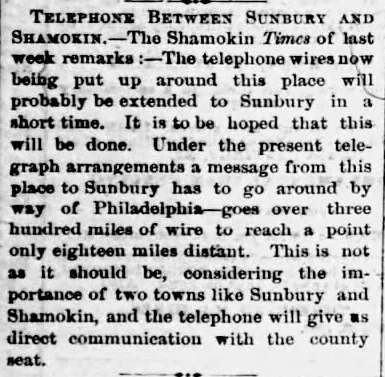
Shamokin’s telephone network grew through wires, operators and regional exchanges—from the first equipment to dial service.
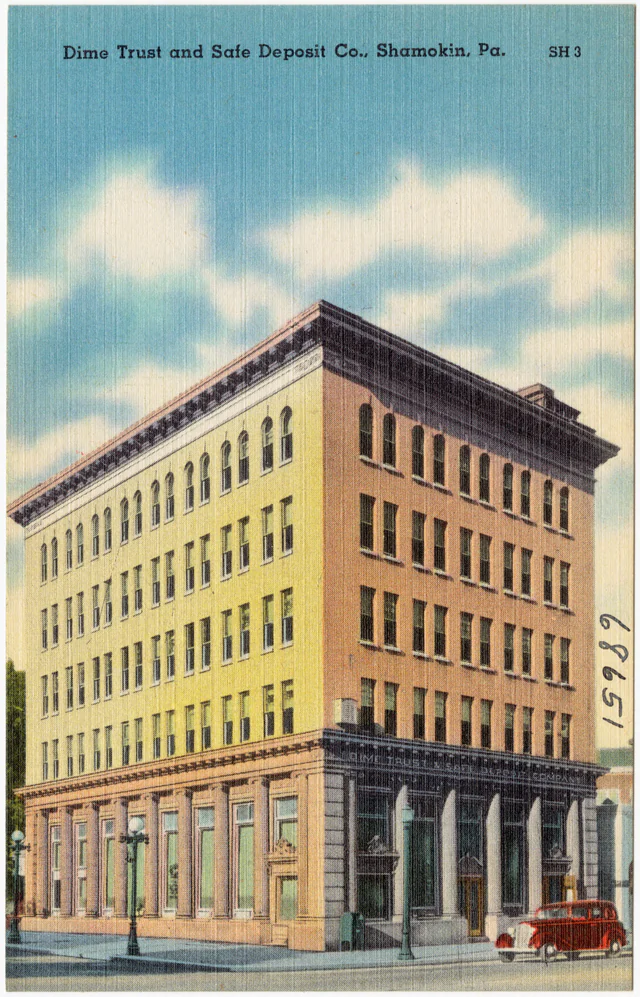
Maps, photographs, postcards, and public records preserve Shamokin buildings that disappeared, including the Eagle Silk Mill, Victoria Theatre, hotels, factories, and downtown stores.
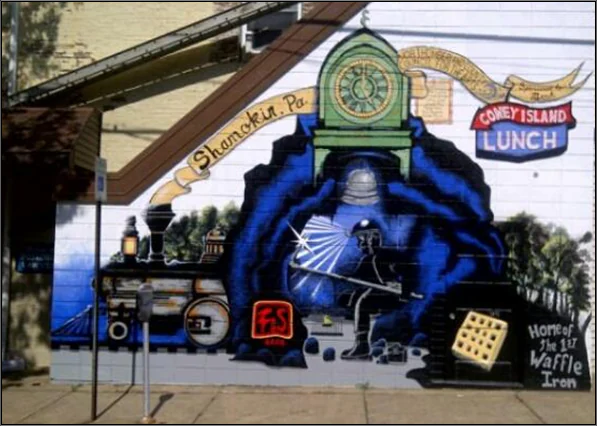
Planing mills, carriage works, brick makers, lumber dealers, marble cutters, contractors, and iron shops supplied the material, manufacturing knowledge, and skilled labor that made Shamokin’s streets tangible.
More than 200 people attended an August 16, 1972 meeting about rehabilitation, assistance, public works, and the neighborhood's shade trees.
A brief April 1937 announcement marked the closing of an established Shamokin store and the sale of its inventory.
The News-Dispatch's later colliery history placed the adoption of the Glen Burn name on July 3, 1940, after a change in operating control.
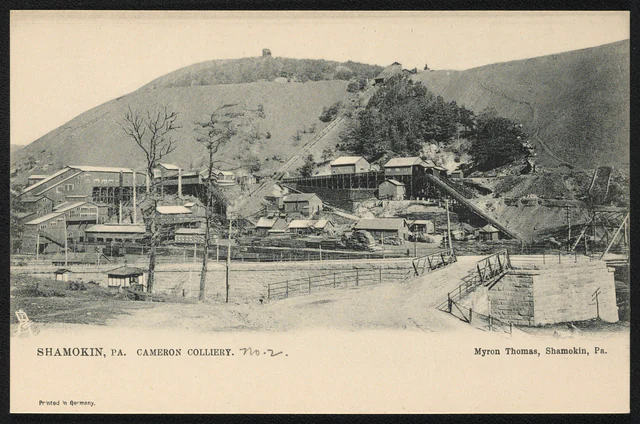
A 1964 retrospective connected land, machinery, names, and changing operations without making them the same starting date.
The 1911 Cameron explosion’s death toll grew from one to five in newspaper coverage. The official report adds ages, work roles, and a cause narrative, while one death date remains disputed.
Congressional requests, brief newspaper notices and a 1905 postcard reveal several stages in Shamokin’s effort to place cannon beside a soldiers’ monument.
The opening evening on April 13, 1915, attracted a crowded house and visitors from Mount Carmel.
The move toward borough government in 1864 turned a growing community’s ambitions into local offices and elections.
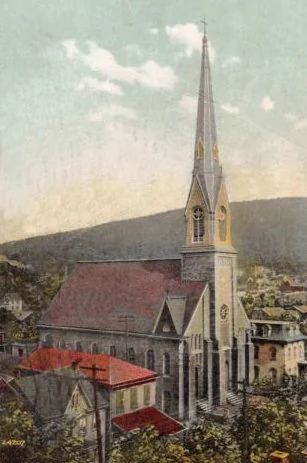
Shamokin’s churches became centers of worship, education, mutual support, and neighborhood identity for congregations shaped by the city’s many immigrant communities.
The Purple Demons defeated West Scranton for their second Eastern Conference championship in six years.
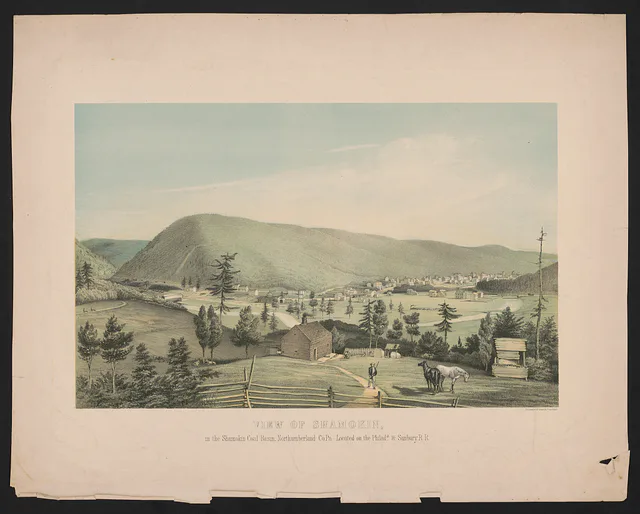
Anthracite mining powered Shamokin’s nineteenth-century growth, drawing railroads, industries, workers, and investment into a landscape transformed by coal.
A 1908 promotional album names Cameron Colliery and also preserves three unidentified mine-work scenes, allowing a careful distinction between a known industrial site and generic mining photographs.
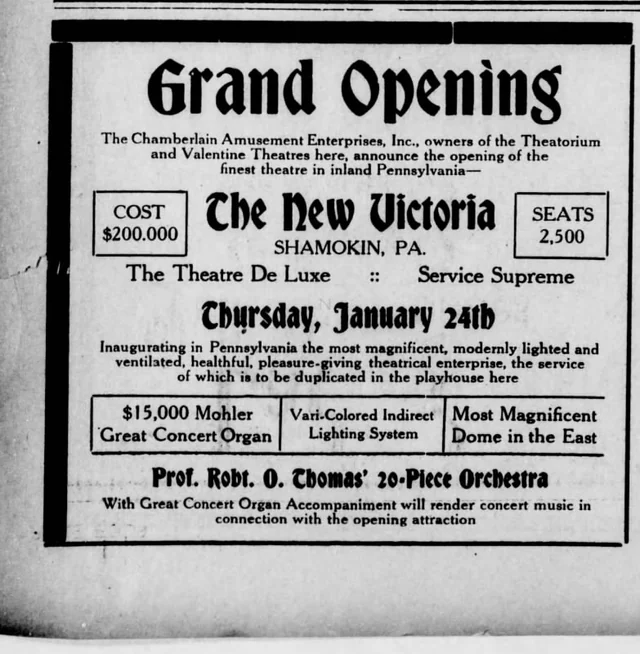
Factory plans, shoe repairs, brewery deliveries, theater programs, and an Elysburg warehouse fire reveal the work behind the region’s commercial life.
A February 1898 notice reported town council's acceptance of a five-year bid for thirty-five arc lights from the Shamokin Electric Light Company.
Ordinance No. 73, adopted February 18, 1955, directed filing and incorporation steps for a Shamokin redevelopment authority.
A Shamokin inventor's heating-equipment business announced the purchase on August 4, 1937.
A November 1983 newspaper account records a Shamokin officer’s death and the efforts of neighboring officers to bring him to hospital.
The G.A.R. Opera House engagement received a favorable audience report in 1903.
A procession to the cemetery joined a new monument's dedication with the decoration of soldiers' graves on May 30.
Later accounts place Ella Brock's arrival as a Shamokin telephone operator in 1883 and describe the change it made to the office's work.
Two remembered photographs and a 1925 parade report show Fairview Fire Company as an equipment-owning volunteer organization and a public presence beyond the fireground.
The Fairview Fire Company band won $50 for its size at the Six-County firemen's parade on June 18, 1925.
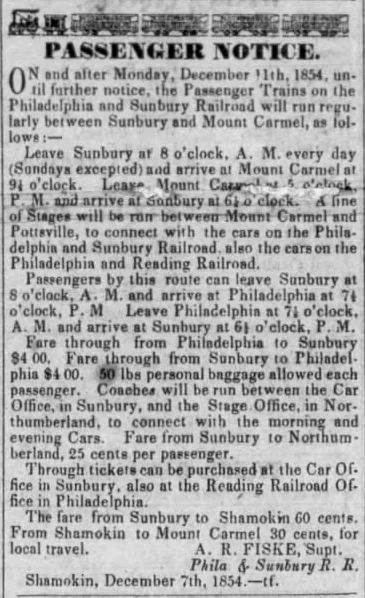
Early passenger notices made the railroad tangible in departure times, journey lengths, and fares.
On September 4, 1975, Shamokin Area students welcomed a pool and air conditioning while trying to master unfamiliar halls and lockers.
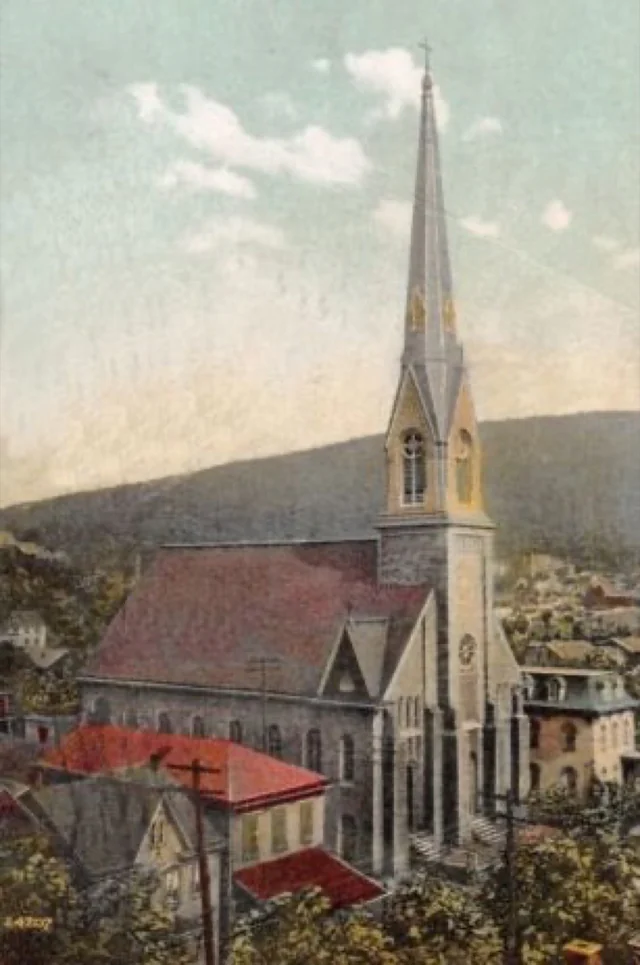
Fire repeatedly changed Shamokin’s closely built streets and institutions, including the National Ticket plant in 1942 and St. Edward’s Church in 1971.
The Six-County Firemen's Association parade joined Shamokin's Centennial closing observance on July 4, 1964.
The Elysburg business lost its building, goods, equipment, and a delivery truck in a February 28, 1964, fire.
Mayor Thomas F. Landy swore in five patrolmen on February 28, 1950, as Shamokin's city police personnel changed.
Parishioners filled the new Edgewood school's gymnatorium for its dedication on September 13, 1959.
A short sighting near the seventh hole became local news in July 1952; the object's identity remained unresolved.
November 1899 notices described four utility companies absorbed into Shamokin Light, Heat and Power, together with its financing and a proposed extension.
Street-light contracts, storm damage and an 1899 consolidation show the businesses behind Shamokin’s growing utility services.
In December 1969, the News-Item reported a patent-infringement complaint filed by Franzus Industries, whose principal business address was in Shamokin.
A 1963 letter home connected a Shamokin cartoonist’s work with a research journey aboard the USS Forrestal.
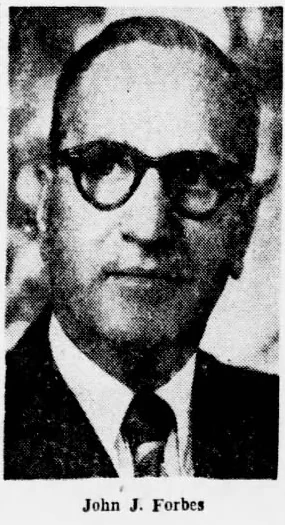
A retirement profile traced Forbes’s path from local mining and teaching to work with the federal Bureau of Mines.
A printed coal-basin view, an 1873 borough map, an 1884 bird’s-eye image, and the arrival of public water service reveal how rail, streets, industry, and infrastructure shaped early Shamokin.
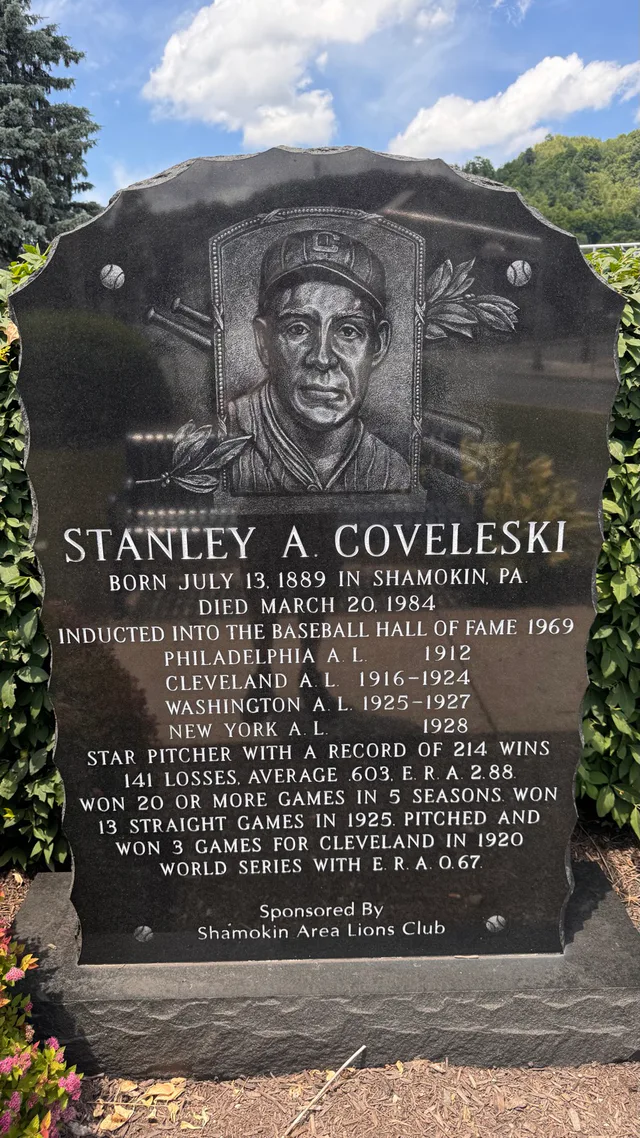
Stan and Harry Coveleski, Jake Daubert, and Bud Weiser each carried a Shamokin connection into Major League Baseball—and each followed a distinctly different career.
Three Shamokin natives’ careers connected seminary teaching, parish leadership and Catholic education across the Harrisburg Diocese.
A televised joke in 1958 prompted Shamokin’s mayor to send Groucho Marx a city key and cigars. The local newspaper printed an exchange in which both men kept the joke going.
A workers’ meeting, depot gunfire and months of hardship: the unrest of 1877 followed Shamokin families long after the first dispatches.
A separate Sunday shooting injured Sam Patello and led to four arrests; it was not the Trevorton explosion.
The Sunbury law graduate's October 15, 1934, admission was reported alongside three other new attorneys.
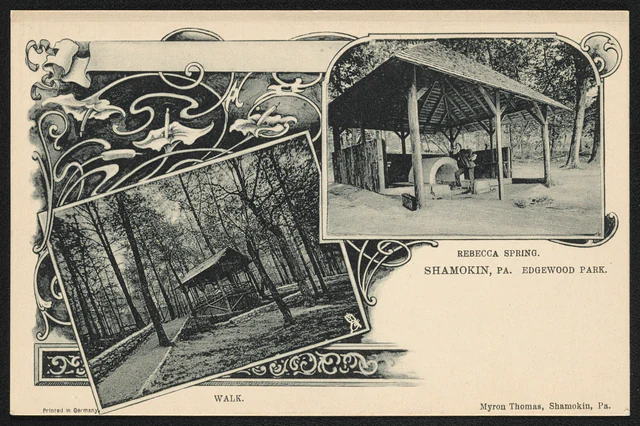
Surviving period listings for the Shamokin Agricultural and Driving Park Association document an organized venue for agricultural display and driving-park activity without inventing races, programs, or a location the pages do not establish.
The Board of Trade, banks, building-and-loan associations, utilities, manufacturers, and period advertising reveal how Shamokin organized and promoted commercial growth.
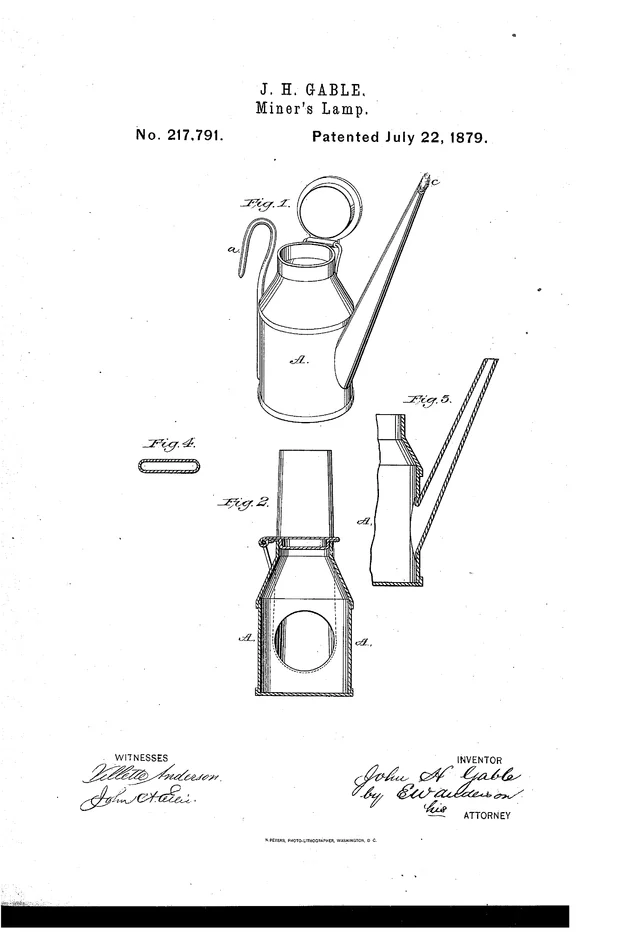
More than two hundred patent records connect Shamokin residents with practical inventions for mines, railroads, homes, workshops, and everyday commerce.
A contemporary account of an October 1900 Shamokin address described Mitchell asking miners to decide the strike's future through their delegates.
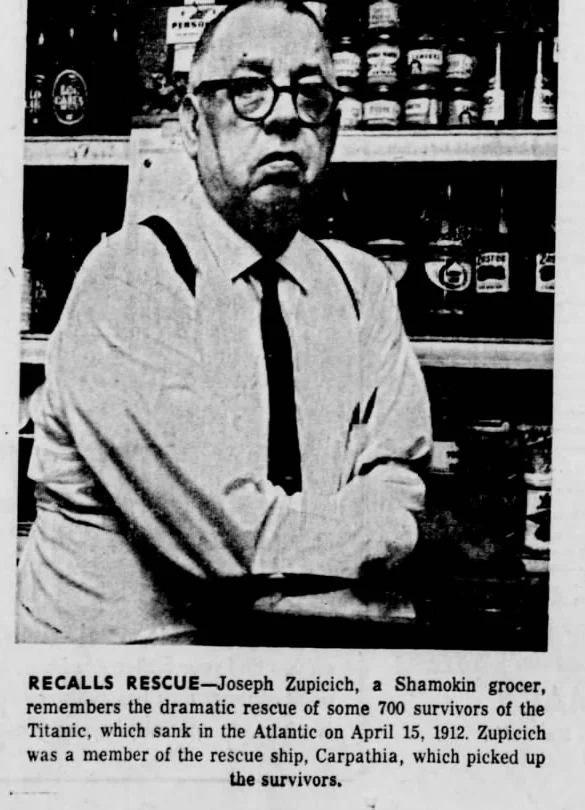
Joseph Zupicich’s late-life account connects service at sea with mining and a Shamokin grocery. Crew, accident, and directory records add detail while leaving some names and dates unresolved.
The Dickinson graduate joined a class of thirty-four examinees in Northumberland County in June 1899.
A July 1926 retirement profile looked back on Raup's forty-six years with Bell, including his early work at Shamokin's exchange.
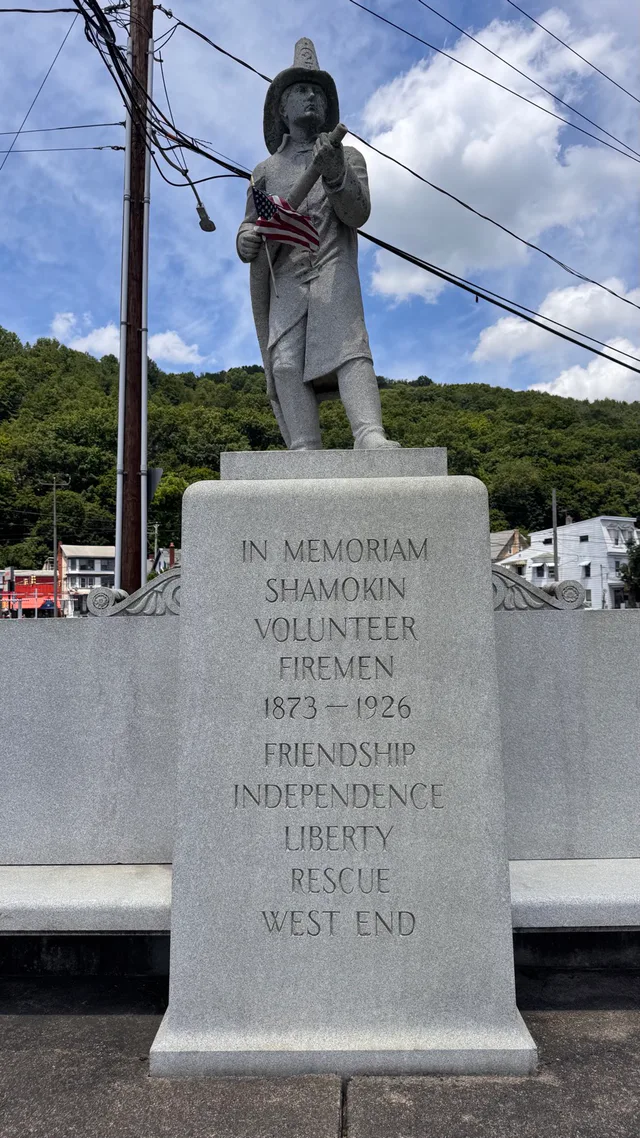
Preservation in Shamokin includes saving landmark buildings and objects, finding new uses for older structures, and documenting places before their stories disappear.
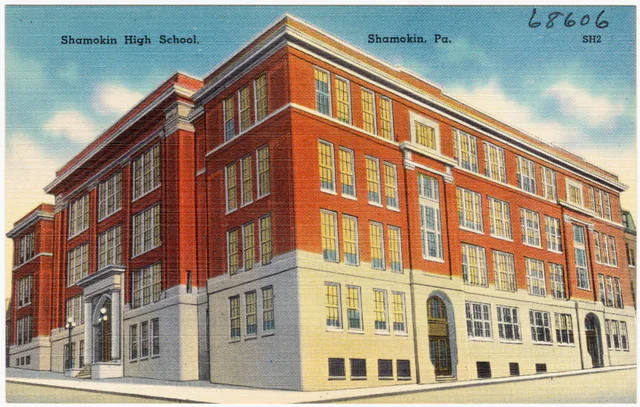
Shamokin Business College and the listed teachers, clerks, bookkeepers, stenographers, and commercial offices show education and office skill becoming visible in the printed industrial city.
A May 1, 1941 decision followed a campaign that reported nearly $7,000 in cash and pledges and 1,300 donors of a dollar or more.
A September 1883 notice described a thirty-two-candlepower electric lamp extending from the front of the Clement House and lighting its neighborhood.
A Reading Railroad trackwalker from Shamokin patented a liquid-based breathing device in 1937; the newspaper's sweeping performance claim remained his own.
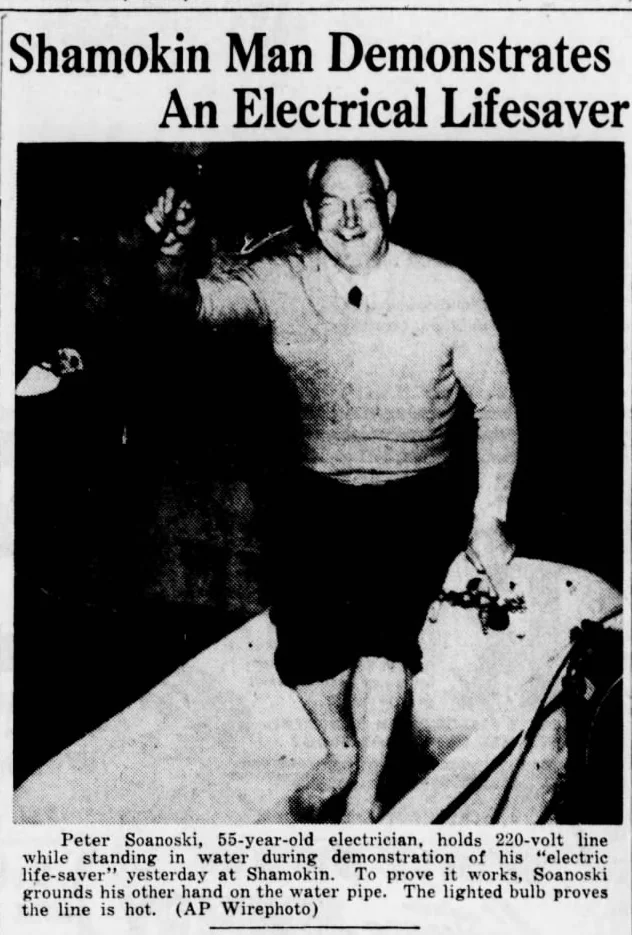
Mine lamps, breathing apparatus, heating equipment, protective electrical circuits, and garment steamers show how local technical work moved between workplaces, patent drawings, and the newspaper.
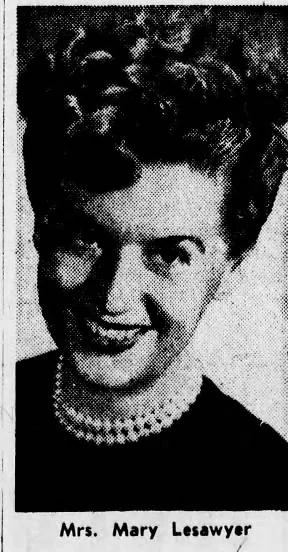
Hometown coverage followed Mary LeSawyer from a New York opera debut toward an international engagement.
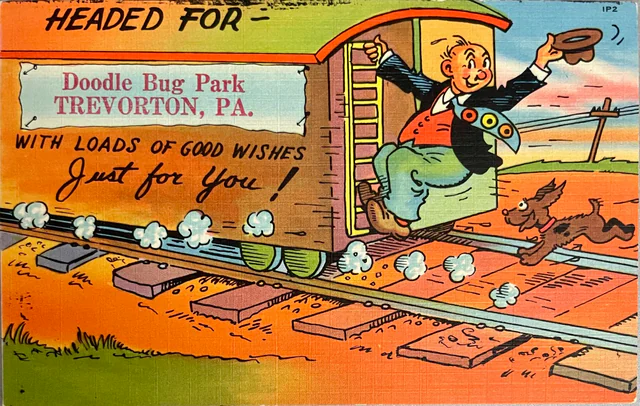
Coal operator and entrepreneur Modest Bernard Foieri opened Doodle Bug Park in 1958, creating a summer gathering place remembered by Shamokin-area families long after its 1976 closing.
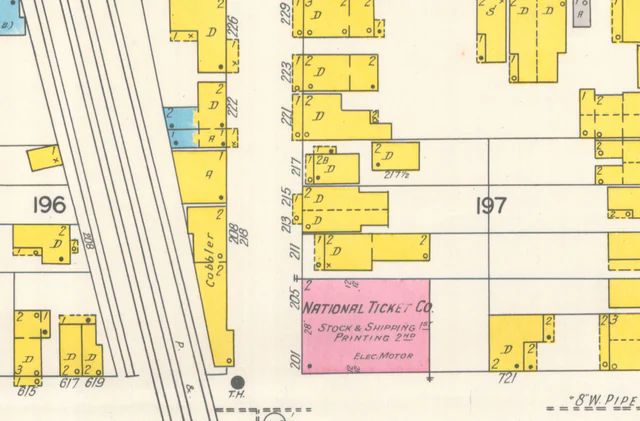
A 1942 fire and a 1950 construction announcement capture two sharply different moments in National Ticket’s history.
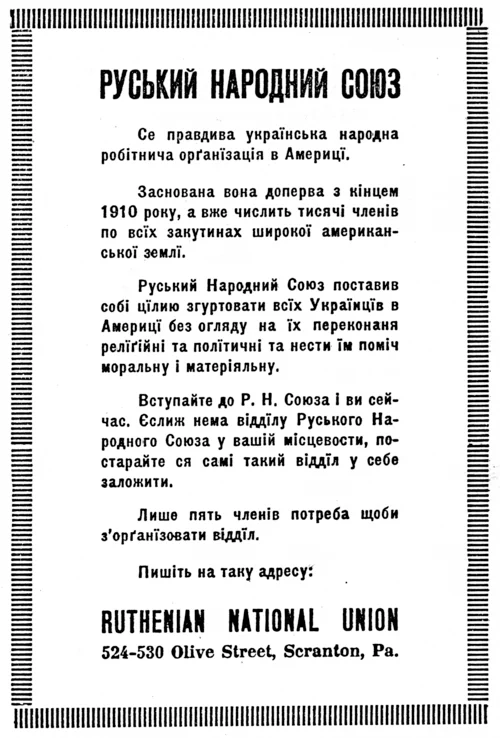
German, Irish, Polish, Slovak, Lithuanian, Ruthenian, and Ukrainian residents built parishes and mutual-aid organizations that gave Shamokin’s neighborhoods lasting social and cultural anchors.
The label “Black Hand” appeared in reports of different regional crimes, but repetition did not prove a single connected network.
A color home movie in the Prelinger collection follows a Buick journey described by its catalog as traveling from the Atlantic to the Pacific and Mexico to Canada.
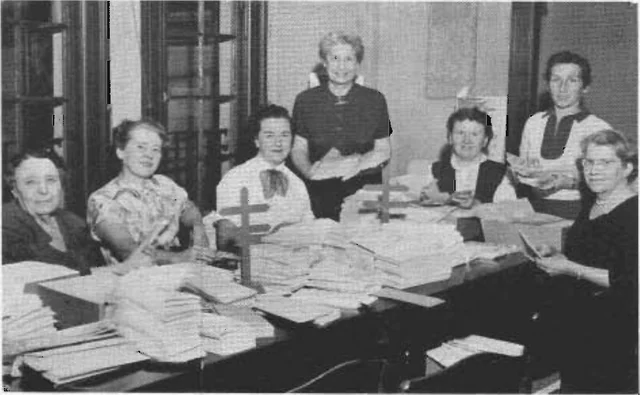
During the influenza emergency of 1918, care reached from an overcrowded hospital into family homes. Tuberculosis education, a 1919 Seal Sale, and clinic work show other forms of local health organization.
The First National Bank of Shamokin organized on September 4, 1883, with named officers and plans to use banking rooms on Sunbury Street.
A May 5, 1954, demonstration brought the Shamokin electrician's proposed safety device to a national wire-service audience.
Twelve men, nine mowing machines, and new evergreen plantings were part of the cemetery work reported in May 1925.
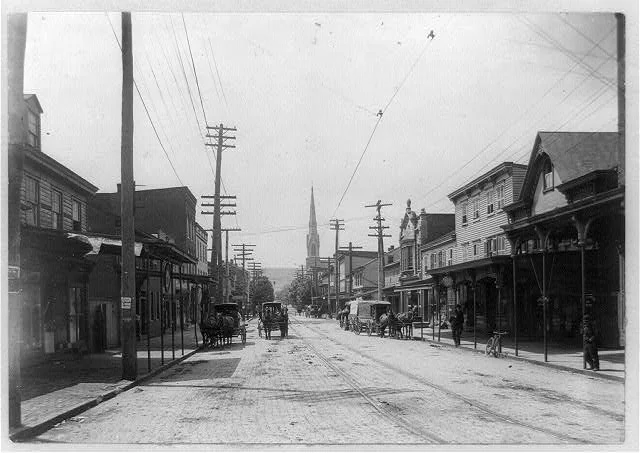
Historic views and maps show railroads as part of Shamokin’s physical growth, linking the coal basin to larger markets while tracks, depots, streets, and later streetcars shared the working city.
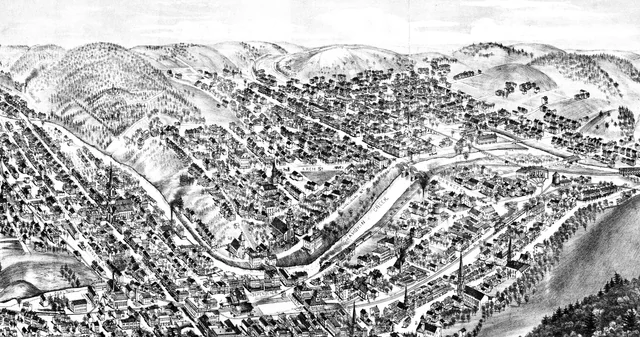
An explicitly dated bird’s-eye view pictures Shamokin as a dense nineteenth-century city while reminding modern viewers that pictorial perspective is not survey geometry.
An 1873 borough plan, an 1884 bird’s-eye view, fire-insurance mapping, and present-day planning records let visitors read downtown Shamokin as a changing landscape of commerce, civic life, industry, and reuse.
A July 1902 Shamokin dispatch described local unions continuing aid while an assessment from bituminous miners was still expected.
A June 3, 1976 YMCA meeting brought citizens' plans for petitions into conflict with officials' curb and sidewalk improvements.
Bunker Hill’s rehabilitation program and the dispute over its shade trees place today’s downtown reuse and street plans in a longer history of neighborhood change.
Theodore Roosevelt’s October 1914 journey briefly brought a national political campaign to Shamokin.
A two-page Danville obituary remembered Rufus K. Polk as an industrial manager, congressman and participant in the practical affairs of his community.
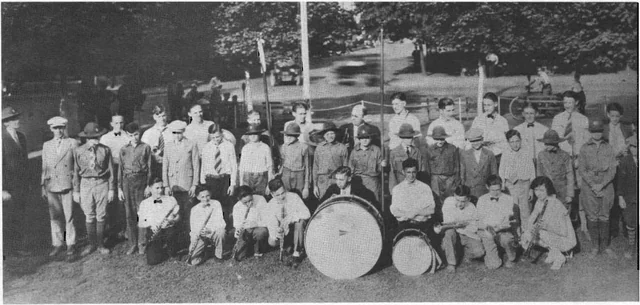
Shamokin’s educational history includes an alumni association organized in 1884, scholarship efforts begun in 1922 and expanded in 1947, and a high-school band whose commemorative record reaches back to spring 1927.
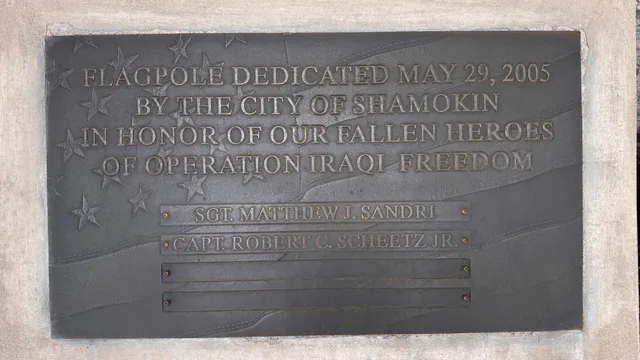
Shamokin’s military history includes naval namesakes and remembrance, an Army medical depot in 1941–42, and the neighborhood work of a wartime Red Cross campaign.
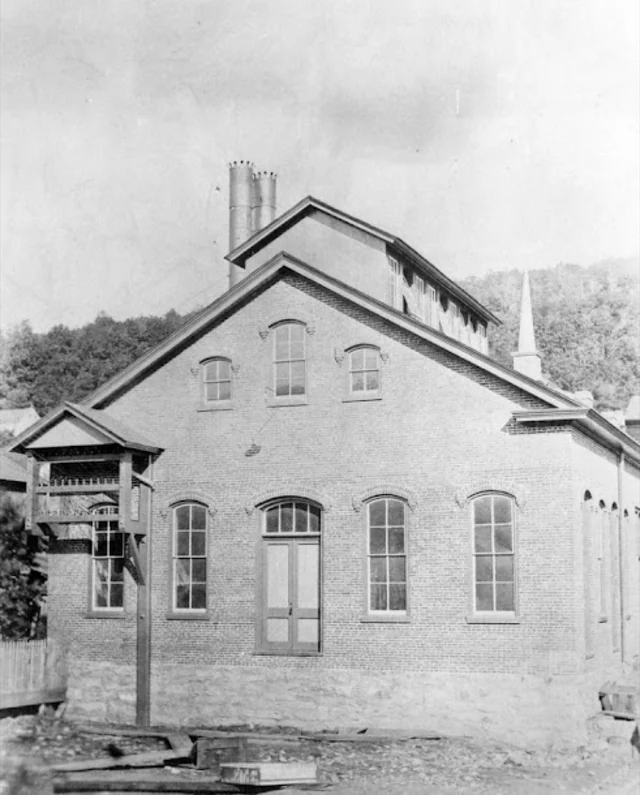
Hotels, restaurants, saloons, theaters, newspapers, gaslight, and electric service made evening Shamokin a landscape of work, travel, refreshment, information, and entertainment.
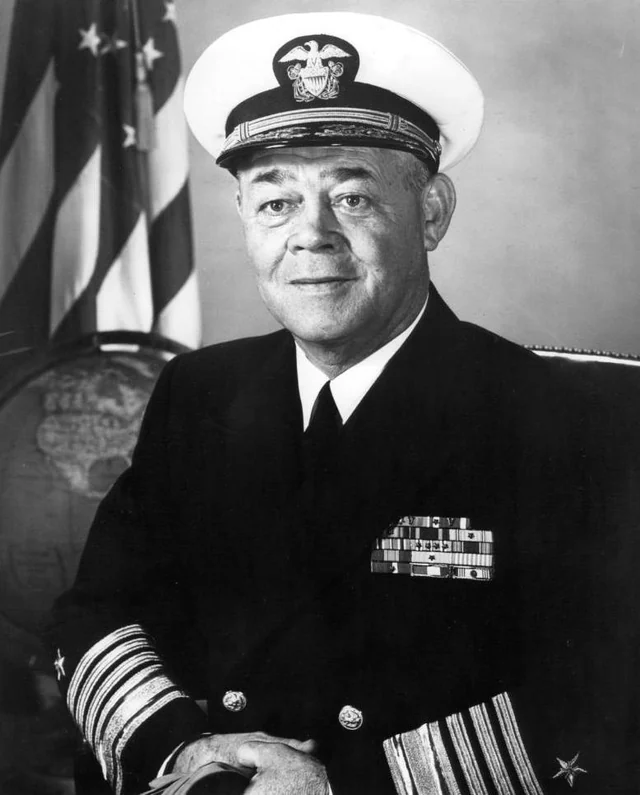
A wartime Victory Report preserves separate forms of remembrance for Shamokin Borough and Coal Township, including a joint Gold Star Honor Roll and community sections for Brady, Coal Run, and Boydtown.
Shamokin's telephone service converted to dial on September 27, 1952, a milestone dated in the News-Dispatch's later Centennial history.
A brewery-sponsored souvenir framed Shamokin through its streets, schools, rail facilities, industries, civic buildings, parks, and hotels—an unusually broad portrait shaped by a promotional purpose.
The Shamokin News-Dispatch and the papers that came before it recorded local government, businesses, fires, celebrations, advertisements, and ordinary daily life.
Move through nearly two centuries of Shamokin history, from the 1835 town plan and the railroad strike of 1877 to electric light, industrial change, landmark loss, and recent recovery.
A military parade and an unveiling at Market and Lincoln Streets marked the dedication on August 13, 1938.
An official Army history records the medical section's July 19, 1941 activation, warehouse space, international-aid mission, and February 1942 closure.
The 1994 nomination connected a Shamokin native’s public service with a major change in federal administration.
The morning of March 25, 1957, brought elementary and high-school pupils into the new annex gymnasium.
A June 1873 disaster killed ten men at Henry Clay Colliery. Newspaper reporting preserved their loss; the later mine-inspector report added a casualty list, ventilation analysis, and an account of the inquest.
A November 1887 notice paired a tested new electric-light plant with Shamokin businessmen arranging to wire their stores.
Bishop George L. Leech joined parishioners at Cherry and Webster Streets on September 19, 1937.
A company engagement began during the week of February 27, 1905.
A sleeping railway worker was killed on March 28, 1909; the newspaper’s theory about his attackers was not an established verdict.
An 1842 account described an operating furnace and ambitious plans for industry well before Shamokin became a borough.
A later colliery account dated a suspension announcement to May 13, 1960, and distinguished the resumption of Glen Burn activity from the Maysville slopes' August restart.
Shamokin defeated the Elmira Colonels on September 11 to close its New York–Pennsylvania League season.
Young readers joined librarian Mrs. Earl Ginter at the library's new location on July 16, 1962.
A November 1903 theater report describes a crowded Shamokin performance.
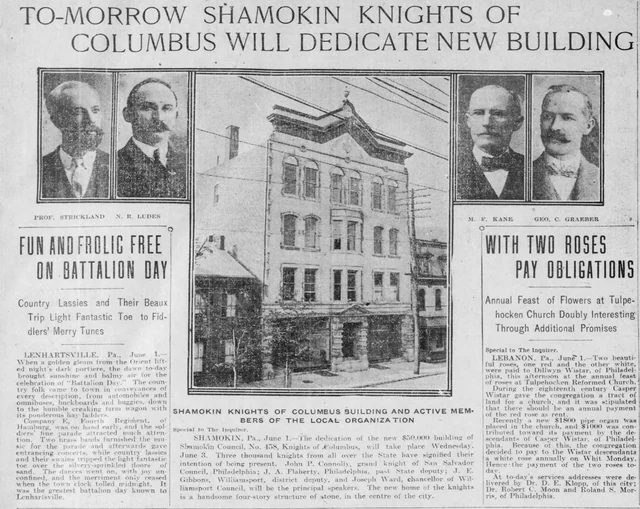
Meeting nights, halls, officers, lodges, veterans' posts, encampments, and relief organizations formed a visible civic network in Shamokin's late nineteenth-century surviving volumes.
The records of a night watchman’s death and later trials require a careful distinction between accusation, conviction, and outcome.
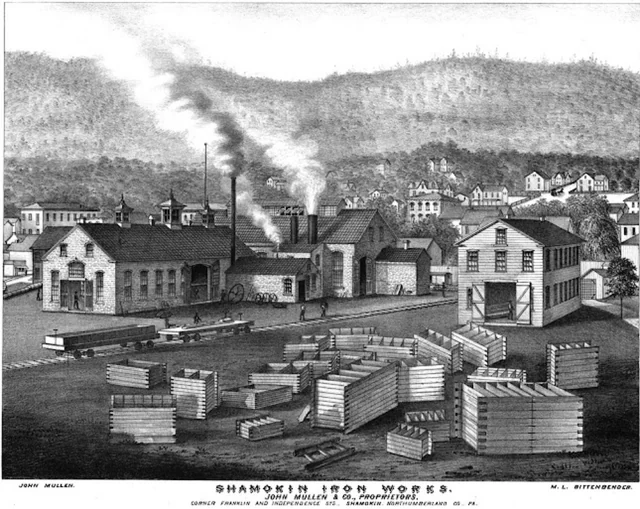
A Shamokin Iron Works advertisement and surviving period listings reveal the engines, pumps, fans, boilers, castings, and skilled trades behind the anthracite city's industrial landscape.
The July 1 parade formed the finale of Shamokin's Diamond Jubilee observance.
On April 15, 1872, fire destroyed the Douty House and spread through surrounding homes and businesses while residents fought it with buckets and axes.
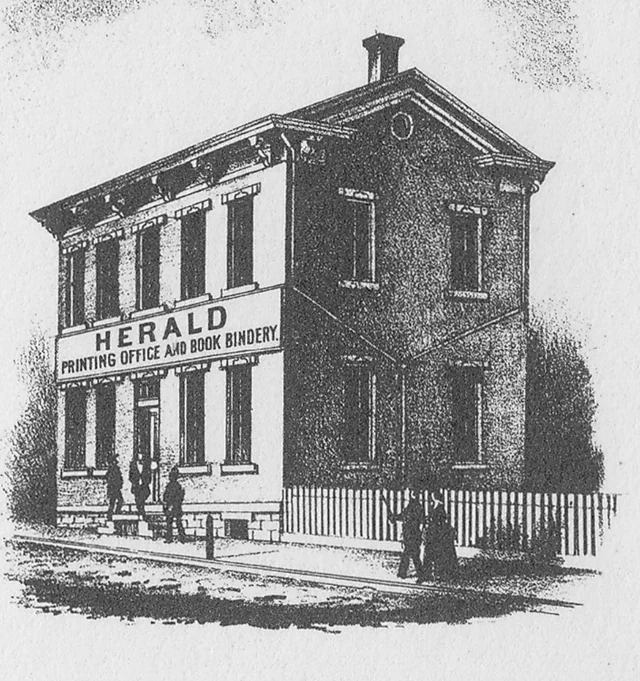
Daily, weekly, religious, and immigrant-language publications made Shamokin a city of competing presses, editors, printers, offices, advertisements, and distinct reading communities.
Local investors brought an Edison central-station system to Shamokin in 1883, carrying electric light from a downtown power plant into streets, stores, homes, and St. Edward’s Church.
In 1929, a one-minute blackout was proposed as the opening act of Shamokin’s tribute to electric light.
Shamokin's two-way police radio entered service on December 11, 1947, connecting the City Hall police court with the patrol car.
January 1942 reports followed the area's War Fund canvass from its scheduled week into a continuing effort to reach a $12,500 quota.
Reports from 1904 trace an unidentified man’s discovery, a mistaken identification, and a renewed search for his name.
A July 1896 notice reported a new Sunbury telephone exchange with roughly twenty-five to thirty instruments connected and more being added.
The touring company appeared at the G.A.R. Opera House on February 22–23, 1905.
Shamokin’s commemorations in 1929, 1939, and 1964 celebrated different occasions through shared public participation.
After the December 1916 fire, insurance decisions, property purchases, construction contracts, and an opening-night advertisement trace the Victoria’s return in January 1918.
The production was reported in Shamokin on February 25, 1905.
Herbert Hopwood, Michael Luchkovich, and Shirley Chater had different connections to Shamokin and different public careers.
A March 1903 report described coal operators meeting in Shamokin and agreeing on an installment schedule for the ten-percent amount due.
Reports about Radle and Helen Shaffer show why entry into the legal profession cannot be reduced to an unqualified claim of “first.”
A neighborhood veterans' board at Third and Spruce Streets was damaged on the night of October 22, 1950.
Shamokin prepared lights and lodging for the Grand Army of the Republic’s state encampment in February 1890.
Reports of a Christ-like appearance in an altar cloth drew visitors to Holy Trinity Episcopal Church in 1977. Contemporary accounts record differing perceptions and the rector’s response; a later diocesan report traces the veil into institutional custody.
A hotel lamp introduced a new kind of street spectacle, while contracts, customer connections and machinery problems shaped the electric service behind it.
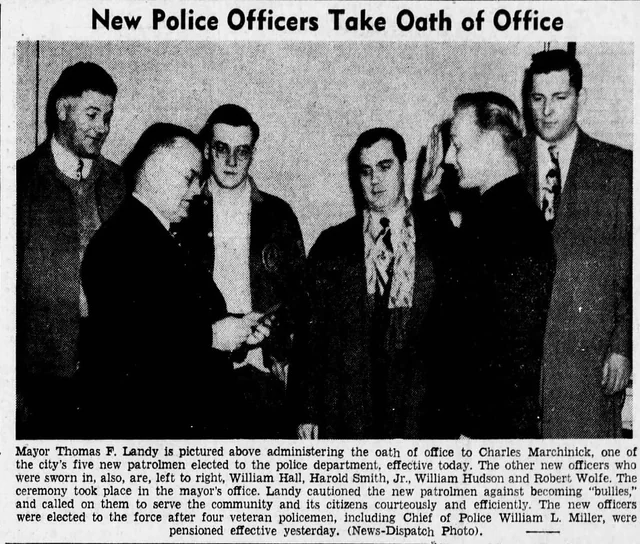
Radio equipment and new patrol arrangements changed how the police department organized its work after World War II.
October 1900 reports described a coal shortage that stopped daytime incandescent service and threatened further curtailment at night.
The strikes of 1900 and 1902 reached public meetings, electric service and household relief in Shamokin—connected events, but not one interchangeable strike.
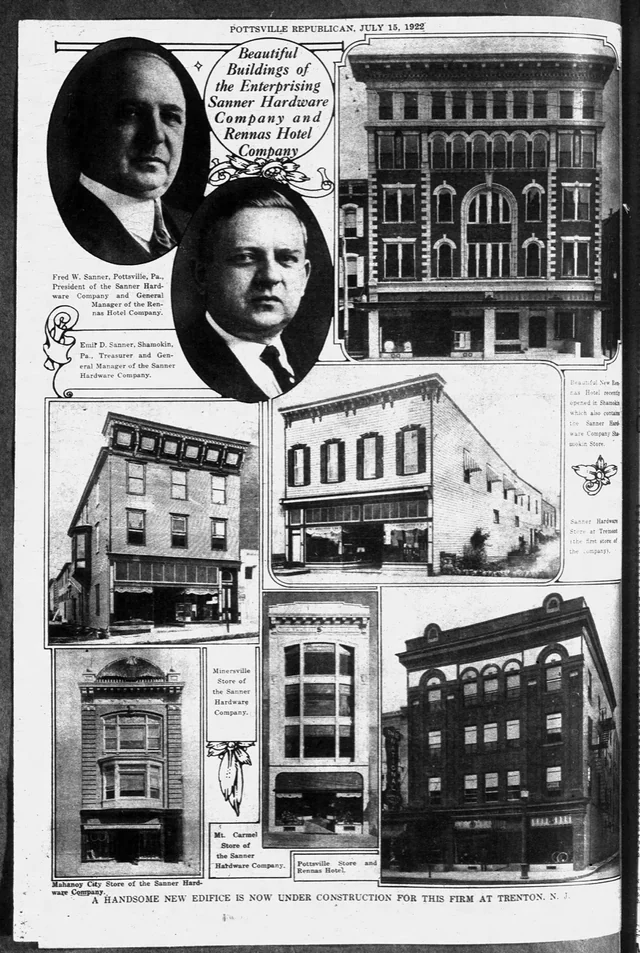
Directories and an 1885 map place hotels within Shamokin’s commercial streets. The Douty House fire of 1872 and a later hotel proposal show how loss and rebuilding shaped that landscape.
From Edgewood Park in the early twentieth century to later neighborhood parks and family attractions, recreation gave Shamokin-area residents places to gather beyond work and school.
Teachers, dressmakers, milliners, saleswomen, proprietors, and other named workers make women's paid and independent work visible in Shamokin's volumes, even when the record remains incomplete.