Story
Businesses & industryCoal, Rail, and the Making of Shamokin
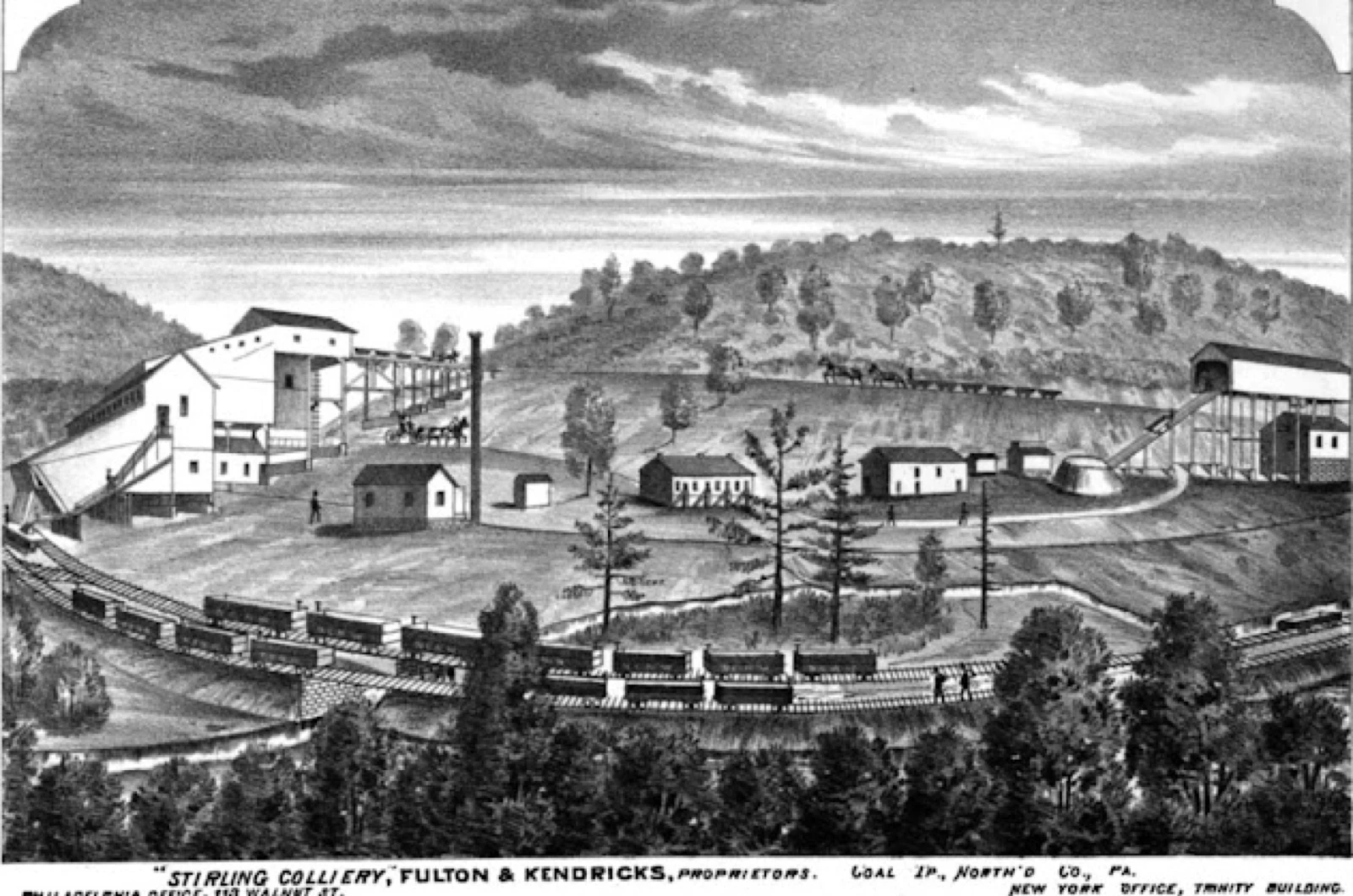
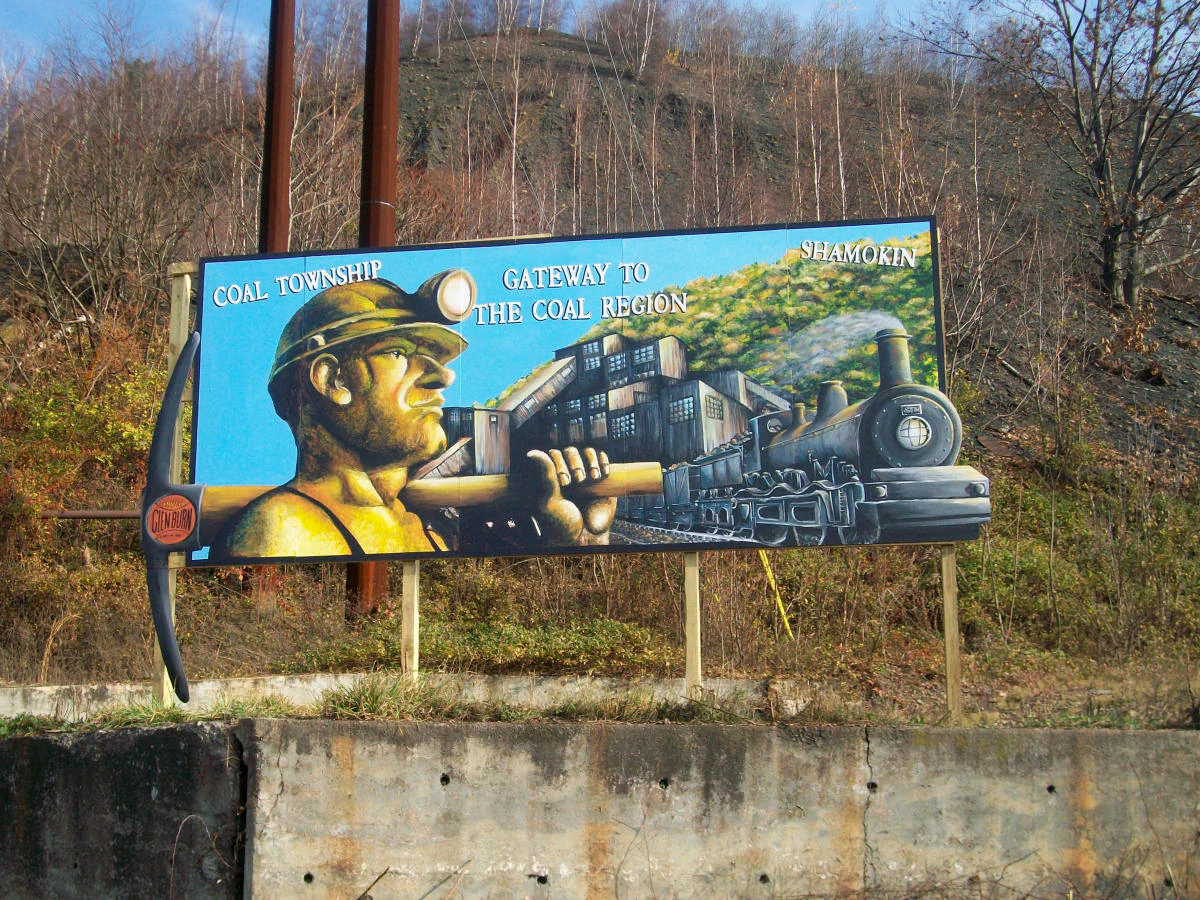
Anthracite mining powered Shamokin’s nineteenth-century growth, drawing railroads, industries, workers, and investment into a landscape transformed by coal.
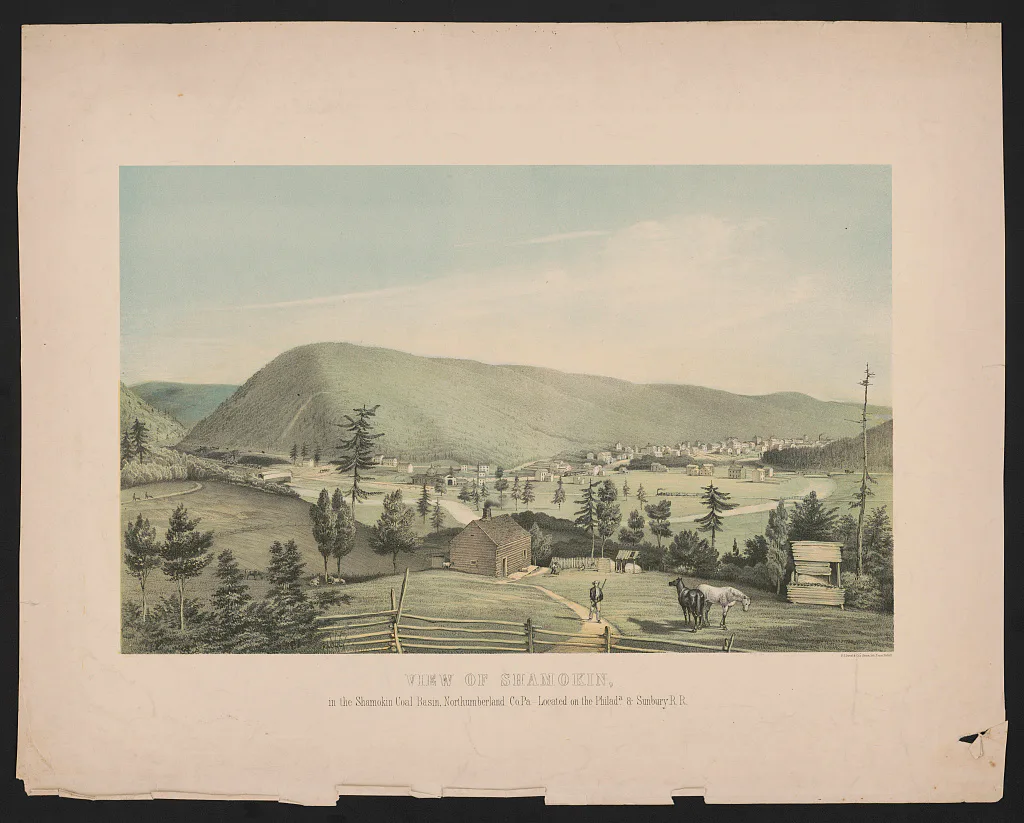
Coal Beside the Creek
The mid-nineteenth-century Library of Congress view shows coal activity beside the developing town and rail line. Mining was already changing the valley as Shamokin’s streets and buildings took shape.
An Economy Built Around Anthracite
The city’s historical account connects Shamokin’s expansion with the anthracite industry. Mines created work and attracted supporting businesses, while rail connections carried the region’s fuel beyond Northumberland County.
The Industry’s Lasting Mark
Mining influenced settlement patterns, transportation, public life, and the physical landscape. The surviving view cannot answer every question about production or loss, but it clearly records a community growing alongside coal.
Image gallery
Open any image to view the full-size photograph or document.