Businesses & industry
Explore this record →A Bank Takes Shape as Electric Light Approaches
In September 1883, a new bank organized on Sunbury Street while a separate electric-light venture moved toward operation.
Shamokin Stories collection
Accounts of Shamokin’s people, industries, neighborhoods, institutions, and public life.
In September 1883, a new bank organized on Sunbury Street while a separate electric-light venture moved toward operation.
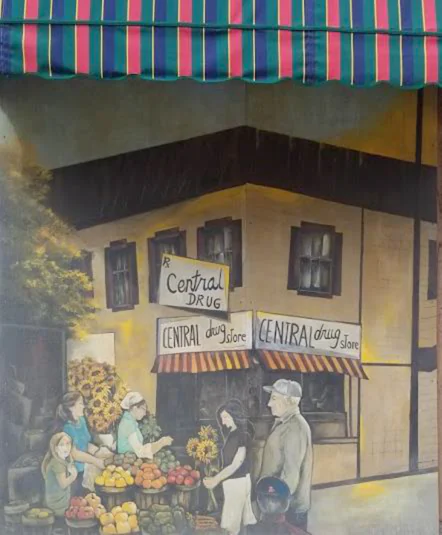
Grocers, butchers, bakers, druggists, dry-goods dealers, hardware stores, shoemakers, jewelers, and neighborhood proprietors filled Shamokin's surviving volumes with everyday commerce.
An 1871 newspaper notice described a steam engine completed by Shamokin Iron Works for the fan at Henry Clay Colliery.
The 1964 colliery history dated the start of a new Cameron breaker to October 1936 and described the steel structure as constructed in 1937.
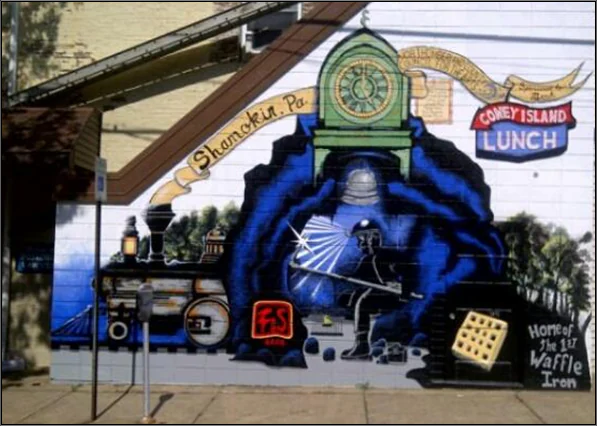
Planing mills, carriage works, brick makers, lumber dealers, marble cutters, contractors, and iron shops supplied the material, manufacturing knowledge, and skilled labor that made Shamokin’s streets tangible.
A brief April 1937 announcement marked the closing of an established Shamokin store and the sale of its inventory.
The News-Dispatch's later colliery history placed the adoption of the Glen Burn name on July 3, 1940, after a change in operating control.
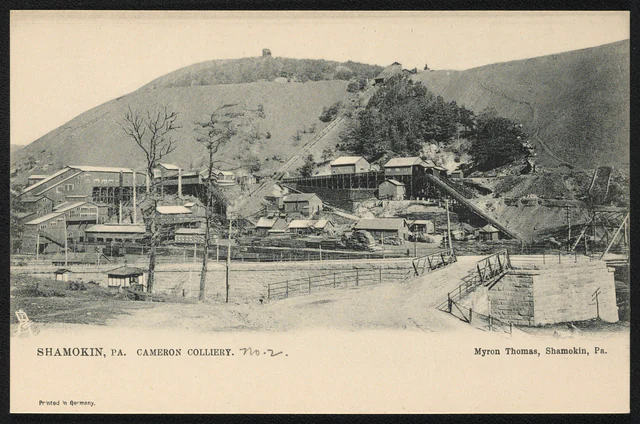
A 1964 retrospective connected land, machinery, names, and changing operations without making them the same starting date.
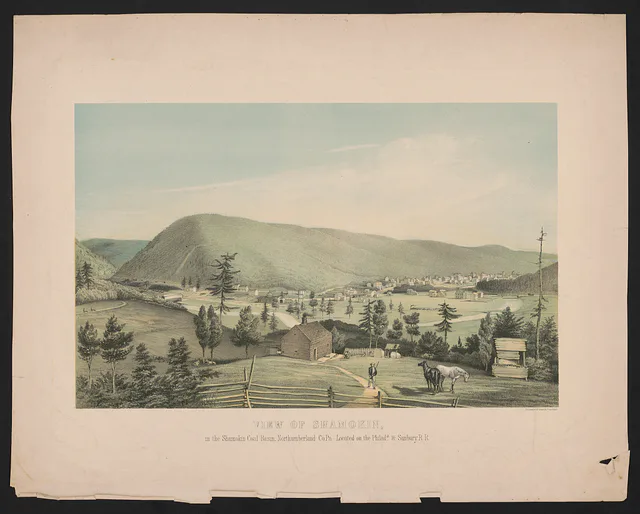
Anthracite mining powered Shamokin’s nineteenth-century growth, drawing railroads, industries, workers, and investment into a landscape transformed by coal.
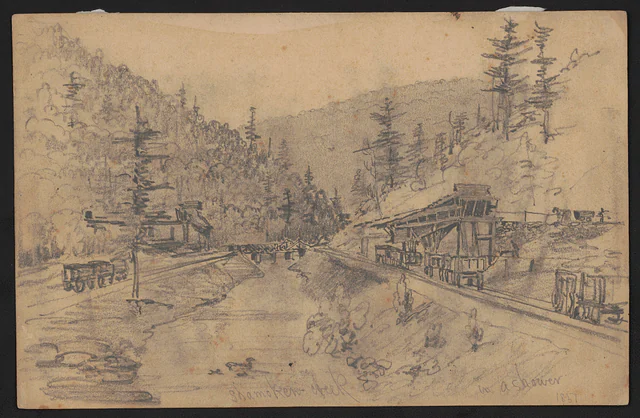
A 1908 promotional album names Cameron Colliery and also preserves three unidentified mine-work scenes, allowing a careful distinction between a known industrial site and generic mining photographs.
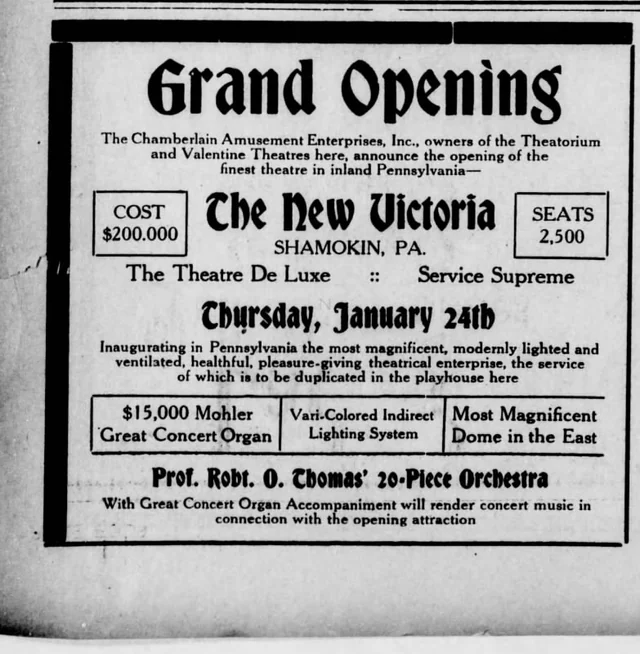
Factory plans, shoe repairs, brewery deliveries, theater programs, and an Elysburg warehouse fire reveal the work behind the region’s commercial life.
A Shamokin inventor's heating-equipment business announced the purchase on August 4, 1937.
November 1899 notices described four utility companies absorbed into Shamokin Light, Heat and Power, together with its financing and a proposed extension.
Street-light contracts, storm damage and an 1899 consolidation show the businesses behind Shamokin’s growing utility services.
In December 1969, the News-Item reported a patent-infringement complaint filed by Franzus Industries, whose principal business address was in Shamokin.
The Board of Trade, banks, building-and-loan associations, utilities, manufacturers, and period advertising reveal how Shamokin organized and promoted commercial growth.
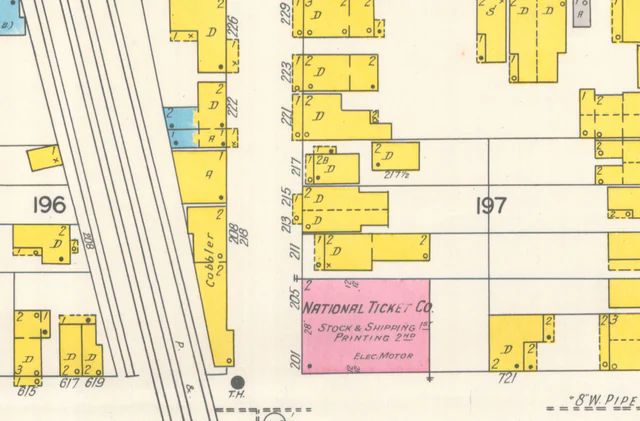
A 1942 fire and a 1950 construction announcement capture two sharply different moments in National Ticket’s history.
The First National Bank of Shamokin organized on September 4, 1883, with named officers and plans to use banking rooms on Sunbury Street.
An 1842 account described an operating furnace and ambitious plans for industry well before Shamokin became a borough.
A later colliery account dated a suspension announcement to May 13, 1960, and distinguished the resumption of Glen Burn activity from the Maysville slopes' August restart.
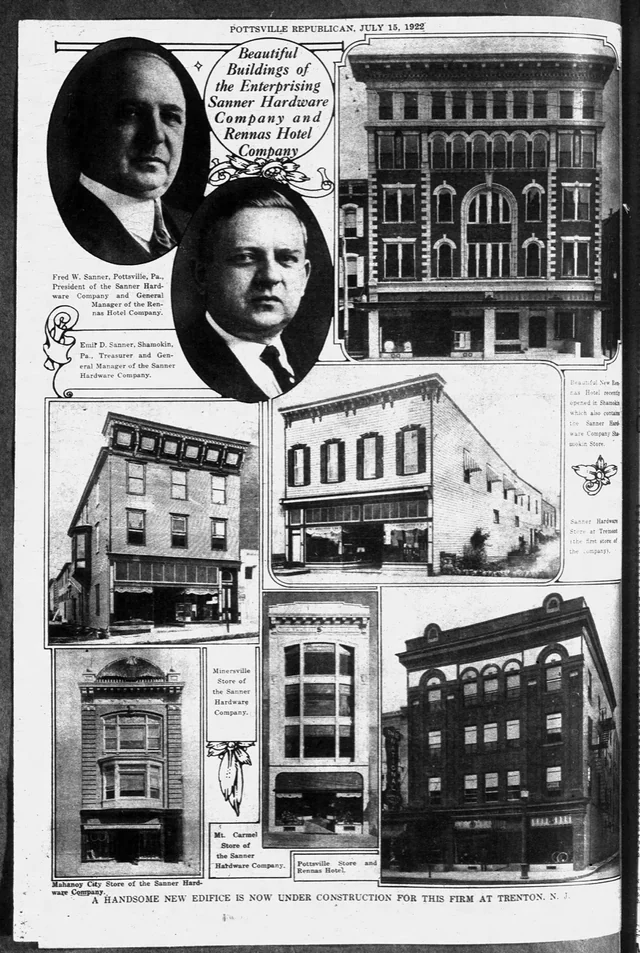
Directories and an 1885 map place hotels within Shamokin’s commercial streets. The Douty House fire of 1872 and a later hotel proposal show how loss and rebuilding shaped that landscape.