A City Celebrates Seventy-Five Years
From June 25 through July 1, 1939, Shamokin’s Diamond Jubilee joined pageantry, parades, music, civic observances, and local business support in a weeklong anniversary celebration.
Shamokin Stories collection
Reviewed accounts of Shamokin’s people, industries, neighborhoods, institutions, and public life.
From June 25 through July 1, 1939, Shamokin’s Diamond Jubilee joined pageantry, parades, music, civic observances, and local business support in a weeklong anniversary celebration.

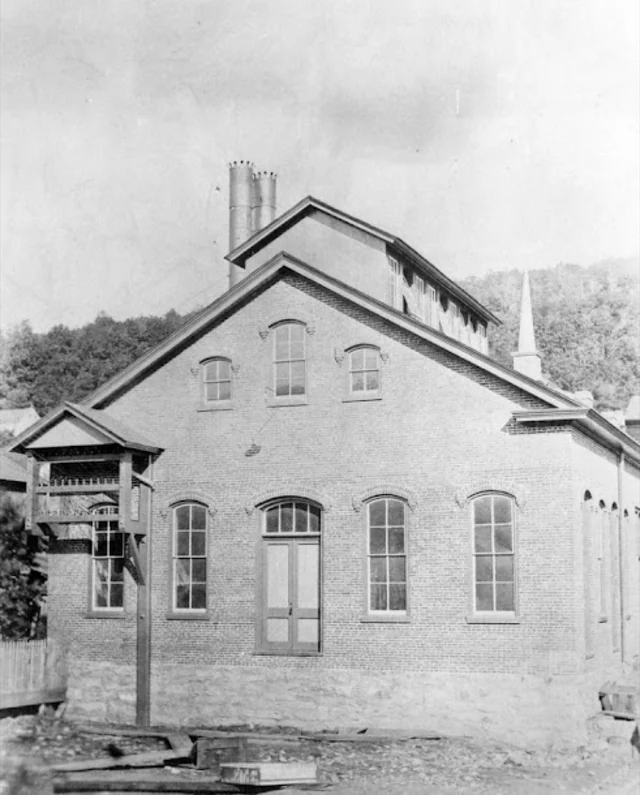
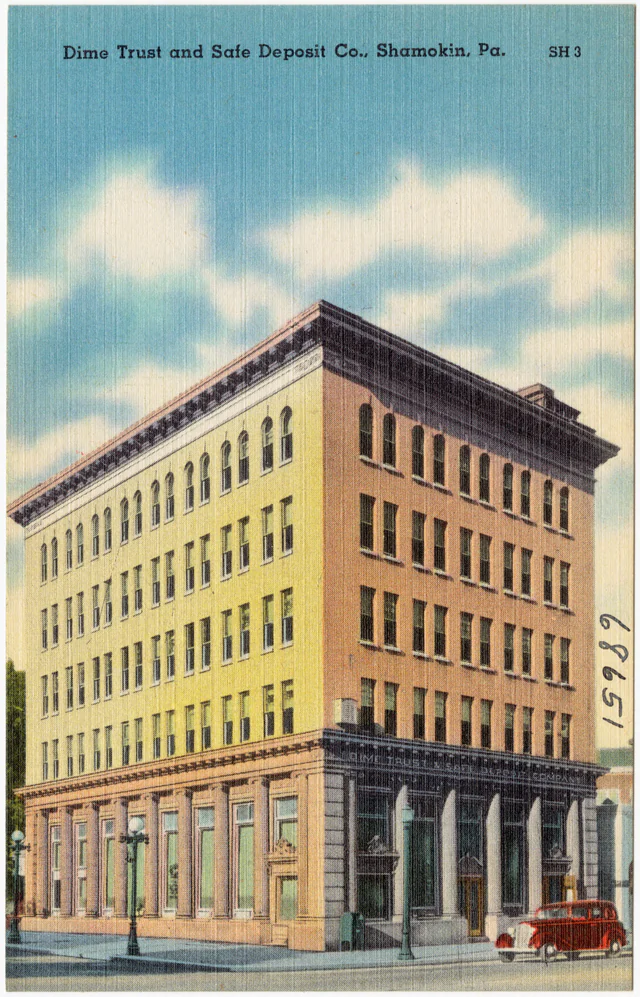
Maps, photographs, postcards, and public records preserve Shamokin buildings that disappeared, including the Eagle Silk Mill, Victoria Theatre, hotels, factories, and downtown stores.

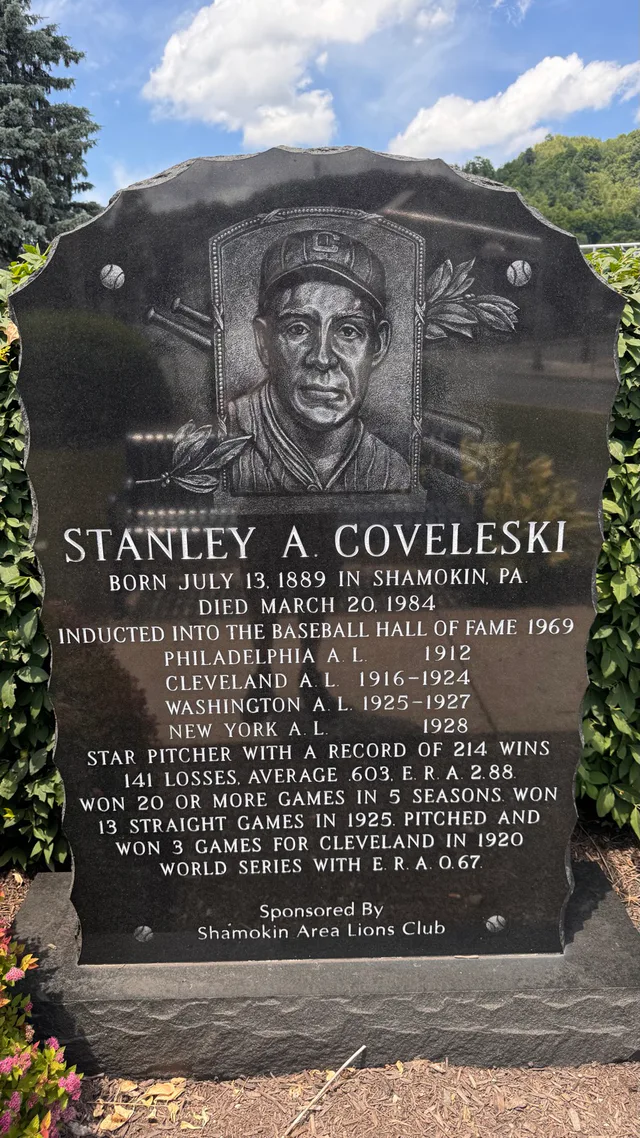
Stan and Harry Coveleski, Jake Daubert, and Bud Weiser each carried a Shamokin connection into Major League Baseball—and each followed a distinctly different career.

Surviving period listings for the Shamokin Agricultural and Driving Park Association document an organized venue for agricultural display and driving-park activity without inventing races, programs, or a location the pages do not establish.

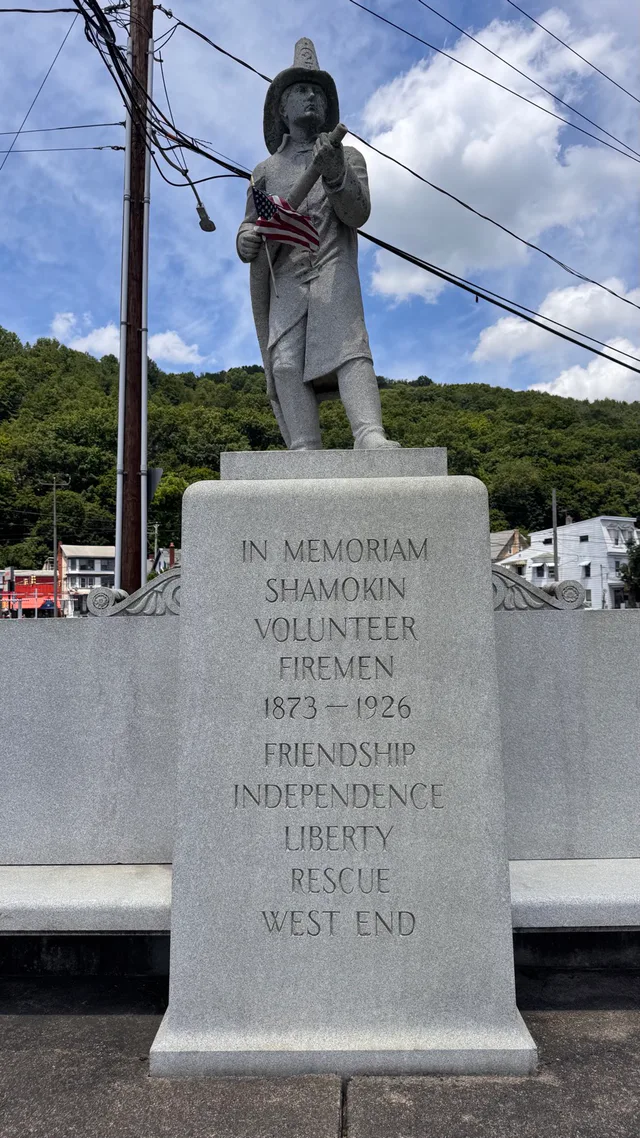
Preservation in Shamokin includes saving landmark buildings and objects, finding new uses for older structures, and documenting places before their stories disappear.

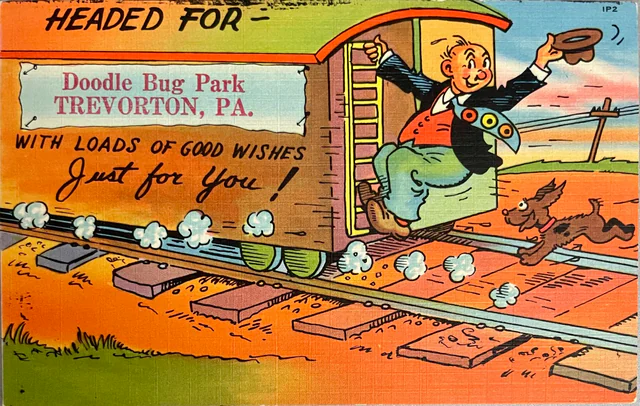
Coal operator and entrepreneur Modesto Bernard Foieri opened Doodle Bug Park in 1958, creating a summer gathering place remembered by Shamokin-area families long after its 1976 closing.

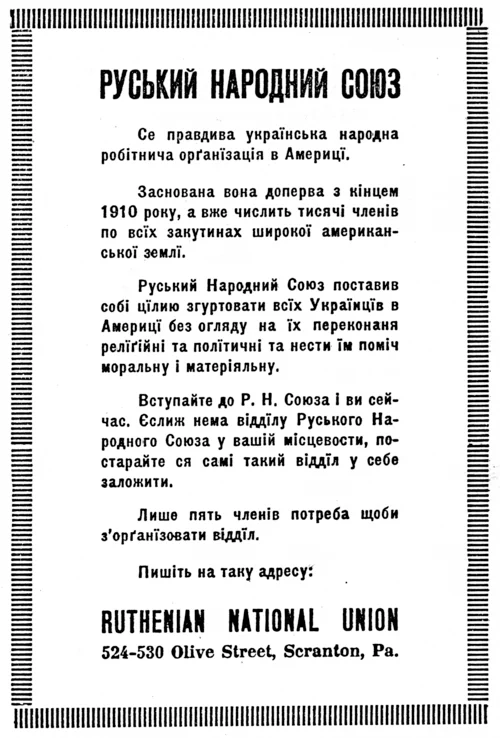
German, Irish, Polish, Slovak, Lithuanian, Ruthenian, and Ukrainian residents built parishes and mutual-aid organizations that gave Shamokin’s neighborhoods lasting social and cultural anchors.
A color home movie in the Prelinger collection follows a Buick journey described by its catalog as traveling from the Atlantic to the Pacific and Mexico to Canada.

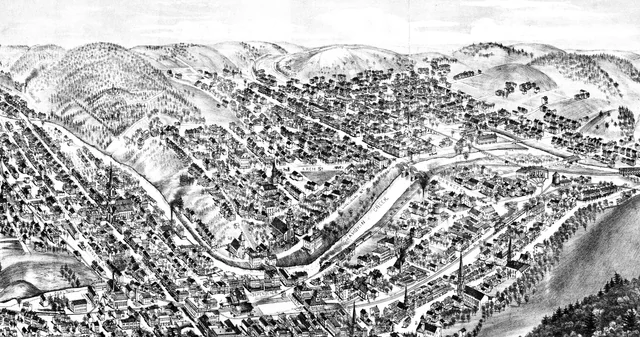
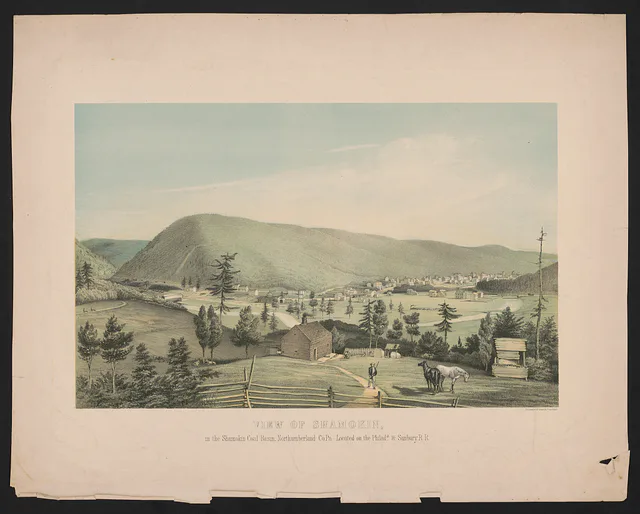
An explicitly dated bird’s-eye view pictures Shamokin as a dense nineteenth-century city while reminding modern viewers that pictorial perspective is not survey geometry.

An 1873 borough plan, an 1884 bird’s-eye view, fire-insurance mapping, and present-day planning records let visitors read downtown Shamokin as a changing landscape of commerce, civic life, industry, and reuse.

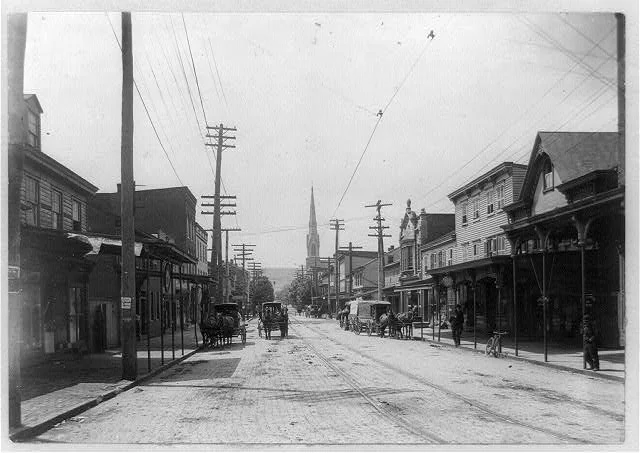
Hotels, restaurants, saloons, theaters, newspapers, gaslight, and electric service made evening Shamokin a landscape of work, travel, refreshment, information, and entertainment.

A brewery-sponsored souvenir framed Shamokin through its streets, schools, rail facilities, industries, civic buildings, parks, and hotels—an unusually broad portrait shaped by a promotional purpose.

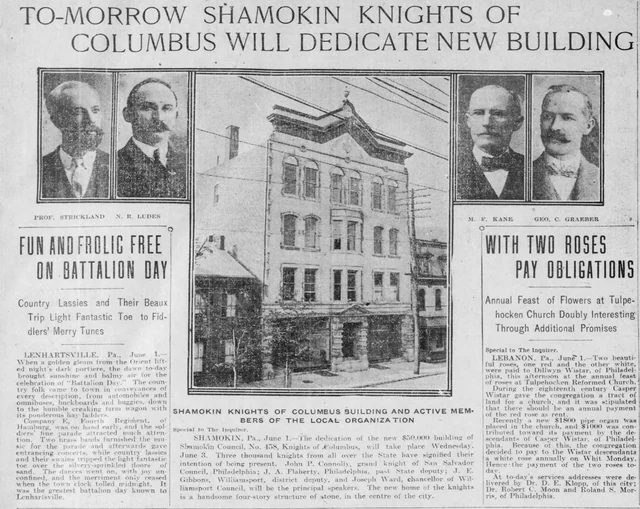
The Shamokin News-Dispatch and the papers that came before it recorded local government, businesses, fires, celebrations, advertisements, and ordinary daily life.

Move through nearly two centuries of Shamokin history, from the 1835 town plan and the railroad strike of 1877 to electric light, industrial change, landmark loss, and recent recovery.

Meeting nights, halls, officers, lodges, veterans' posts, encampments, and relief organizations formed a visible civic network in Shamokin's late nineteenth-century surviving volumes.

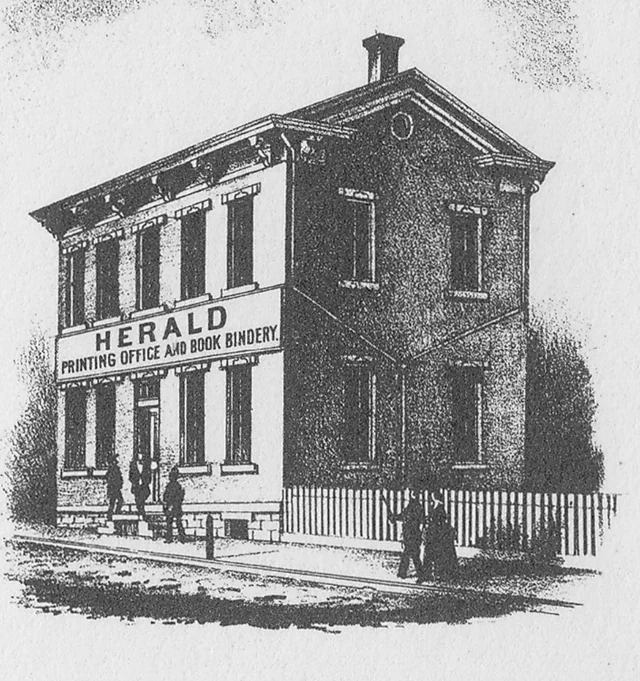
Daily, weekly, religious, and immigrant-language publications made Shamokin a city of competing presses, editors, printers, offices, advertisements, and distinct reading communities.
Shamokin’s commemorations in 1929, 1939, and 1964 celebrated different occasions through shared public participation.
A stone displayed in 1907 and a brief sighting in 1952 show the difference between an intriguing report and a settled explanation.
A baseball season finale and a football championship belong to local sporting memory on their own terms.

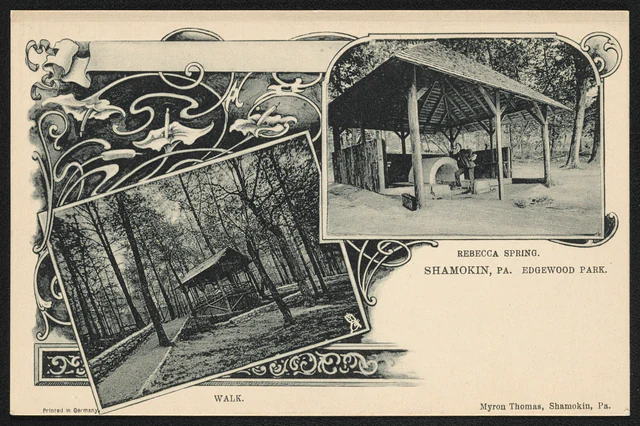
From Edgewood Park in the early twentieth century to later neighborhood parks and family attractions, recreation gave Shamokin-area residents places to gather beyond work and school.