Fires, disasters & public safety
Explore this record →A Shamokin Stabbing and a Death at Miners’ Hospital
Two June 1910 reports followed the same attack from a Shamokin street corner to the hospital in Ashland.
Shamokin Stories collection
Accounts of Shamokin’s people, industries, neighborhoods, institutions, and public life.
Two June 1910 reports followed the same attack from a Shamokin street corner to the hospital in Ashland.
A July 1896 storm report described a burned-out Shamokin Electric Light Company armature and temporarily disabled telephone lines across the county.
The 1911 Cameron explosion’s death toll grew from one to five in newspaper coverage. The official report adds ages, work roles, and a cause narrative, while one death date remains disputed.
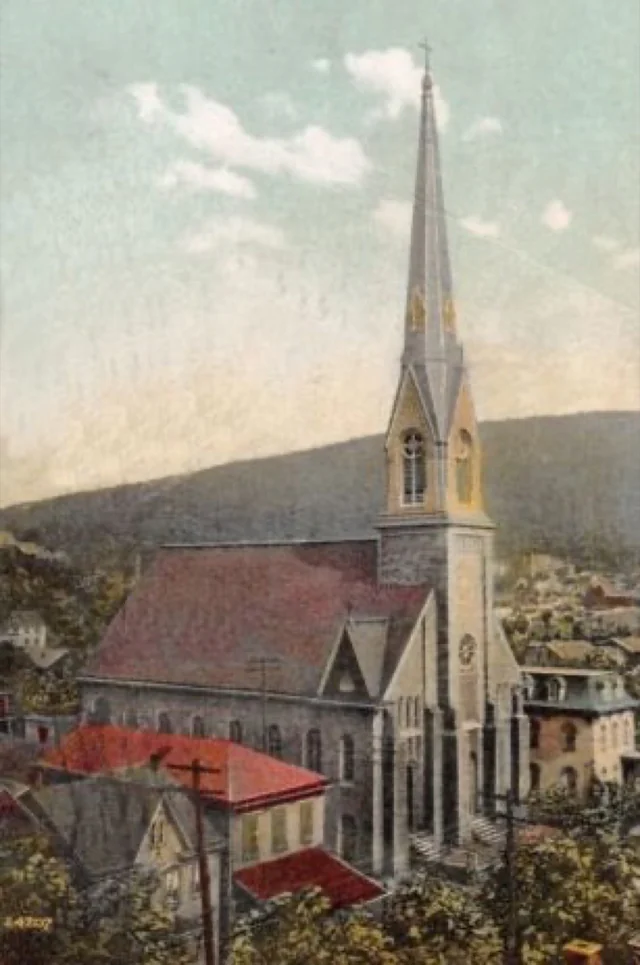
Fire repeatedly changed Shamokin’s closely built streets and institutions, including the National Ticket plant in 1942 and St. Edward’s Church in 1971.
The Elysburg business lost its building, goods, equipment, and a delivery truck in a February 28, 1964, fire.
A separate Sunday shooting injured Sam Patello and led to four arrests; it was not the Trevorton explosion.
The label “Black Hand” appeared in reports of different regional crimes, but repetition did not prove a single connected network.
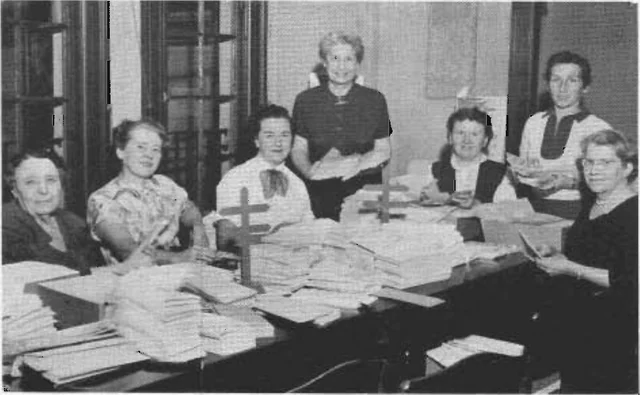
During the influenza emergency of 1918, care reached from an overcrowded hospital into family homes. Tuberculosis education, a 1919 Seal Sale, and clinic work show other forms of local health organization.
A June 1873 disaster killed ten men at Henry Clay Colliery. Newspaper reporting preserved their loss; the later mine-inspector report added a casualty list, ventilation analysis, and an account of the inquest.
A sleeping railway worker was killed on March 28, 1909; the newspaper’s theory about his attackers was not an established verdict.
The records of a night watchman’s death and later trials require a careful distinction between accusation, conviction, and outcome.
On April 15, 1872, fire destroyed the Douty House and spread through surrounding homes and businesses while residents fought it with buckets and axes.
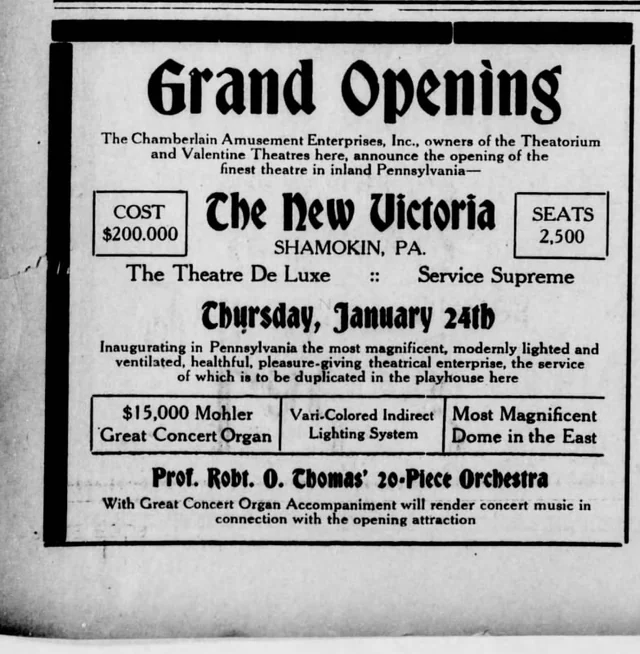
After the December 1916 fire, insurance decisions, property purchases, construction contracts, and an opening-night advertisement trace the Victoria’s return in January 1918.
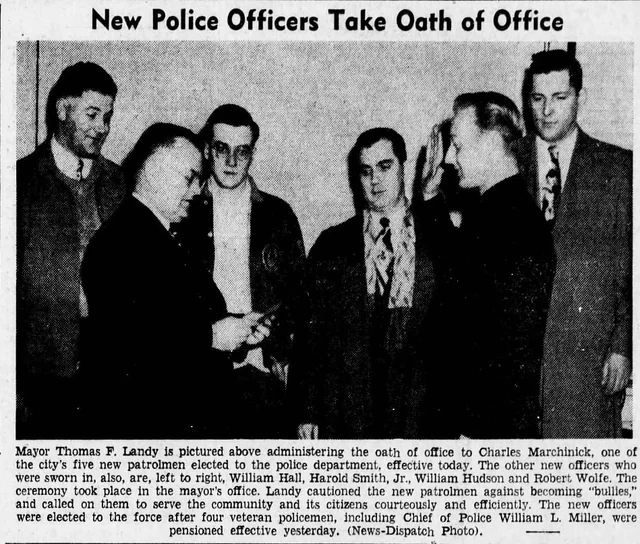
Radio equipment and new patrol arrangements changed how the police department organized its work after World War II.