Businesses & industry
Explore this record →A Bank Takes Shape as Electric Light Approaches
In September 1883, a new bank organized on Sunbury Street while a separate electric-light venture moved toward operation.
Newspaper coverage: 1883
Shamokin Stories collection
Stories of Shamokin drawn from the newspapers of their day.
In September 1883, a new bank organized on Sunbury Street while a separate electric-light venture moved toward operation.
Newspaper coverage: 1883
A December 1935 report placed a Benton physician at the center of David Shaffer’s capture after a car crash.
Newspaper coverage: 1935
Fundraising drives, a ribbon cutting, a repaired sign, and a move across town trace the work that brought books within reach of Shamokin and Coal Township readers.
Newspaper coverage: 1940–1962
Shamokin’s Civil War veterans joined public remembrance with practical support and community organizing.
Newspaper coverage: 1868–1890
A teacher became a physician, crossed Shamokin’s coal hills on house calls, and kept serving patients long after she expected to retire.
Newspaper coverage: 1897–1947
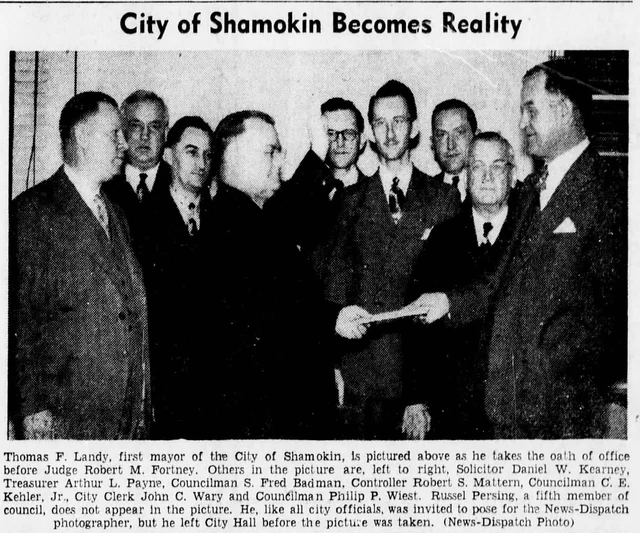
From the 1947 referendum to the 1950 organization of government, Shamokin’s city status arrived through several steps.
Newspaper coverage: 1947–1950
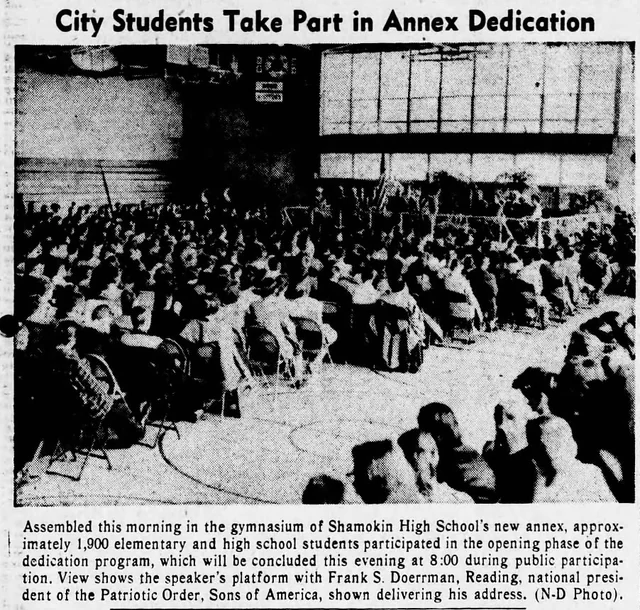
School construction and dedications show different communities preparing new spaces for their students.
Newspaper coverage: 1883–1975
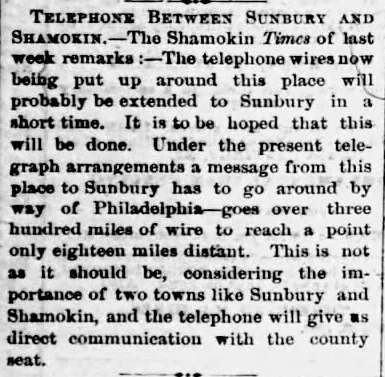
Shamokin’s telephone network grew through wires, operators and regional exchanges—from the first equipment to dial service.
Newspaper coverage: 1880–1964
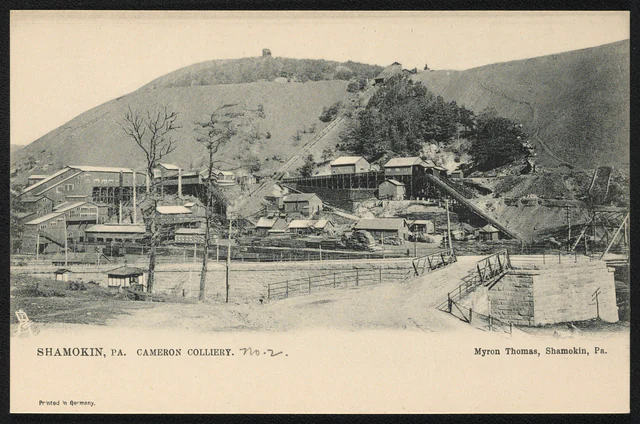
A 1964 retrospective connected land, machinery, names, and changing operations without making them the same starting date.
Newspaper coverage: 1964
The 1911 Cameron explosion’s death toll grew from one to five in newspaper coverage. The official report adds ages, work roles, and a cause narrative, while one death date remains disputed.
Newspaper coverage: 1911
Congressional requests, brief newspaper notices and a 1905 postcard reveal several stages in Shamokin’s effort to place cannon beside a soldiers’ monument.
Newspaper coverage: 1899–1902
The move toward borough government in 1864 turned a growing community’s ambitions into local offices and elections.
Newspaper coverage: 1864–1964
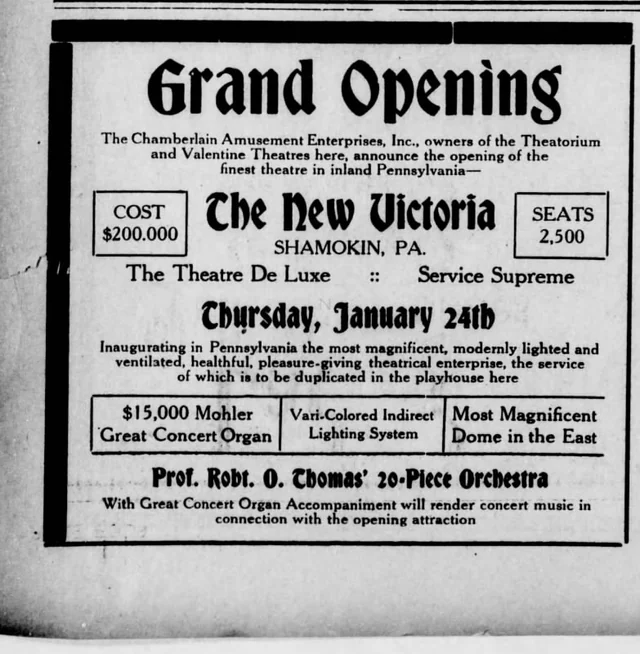
Factory plans, shoe repairs, brewery deliveries, theater programs, and an Elysburg warehouse fire reveal the work behind the region’s commercial life.
Newspaper coverage: 1918–1944
A November 1983 newspaper account records a Shamokin officer’s death and the efforts of neighboring officers to bring him to hospital.
Newspaper coverage: 1983
Two remembered photographs and a 1925 parade report show Fairview Fire Company as an equipment-owning volunteer organization and a public presence beyond the fireground.
Newspaper coverage: 1925–1964
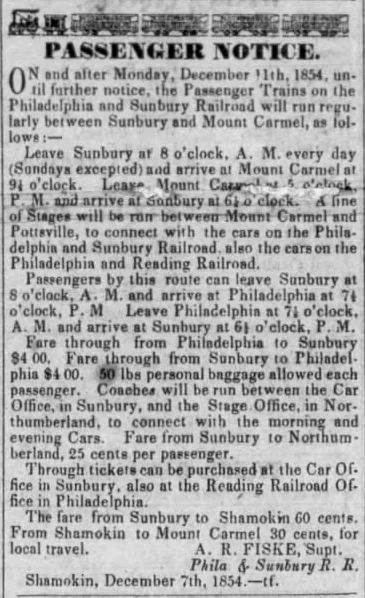
Early passenger notices made the railroad tangible in departure times, journey lengths, and fares.
Newspaper coverage: 1853–1854
Street-light contracts, storm damage and an 1899 consolidation show the businesses behind Shamokin’s growing utility services.
Newspaper coverage: 1887–1899
A 1963 letter home connected a Shamokin cartoonist’s work with a research journey aboard the USS Forrestal.
Newspaper coverage: 1963
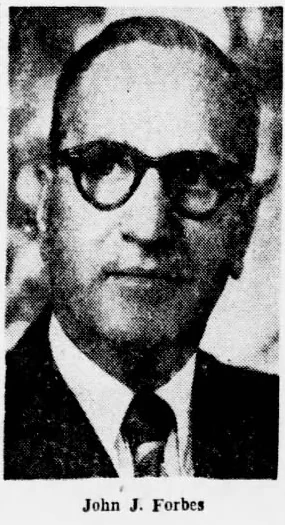
A retirement profile traced Forbes’s path from local mining and teaching to work with the federal Bureau of Mines.
Newspaper coverage: 1955
Three Shamokin natives’ careers connected seminary teaching, parish leadership and Catholic education across the Harrisburg Diocese.
Newspaper coverage: 1954
A televised joke in 1958 prompted Shamokin’s mayor to send Groucho Marx a city key and cigars. The local newspaper printed an exchange in which both men kept the joke going.
Newspaper coverage: 1958
A workers’ meeting, depot gunfire and months of hardship: the unrest of 1877 followed Shamokin families long after the first dispatches.
Newspaper coverage: 1877–1878
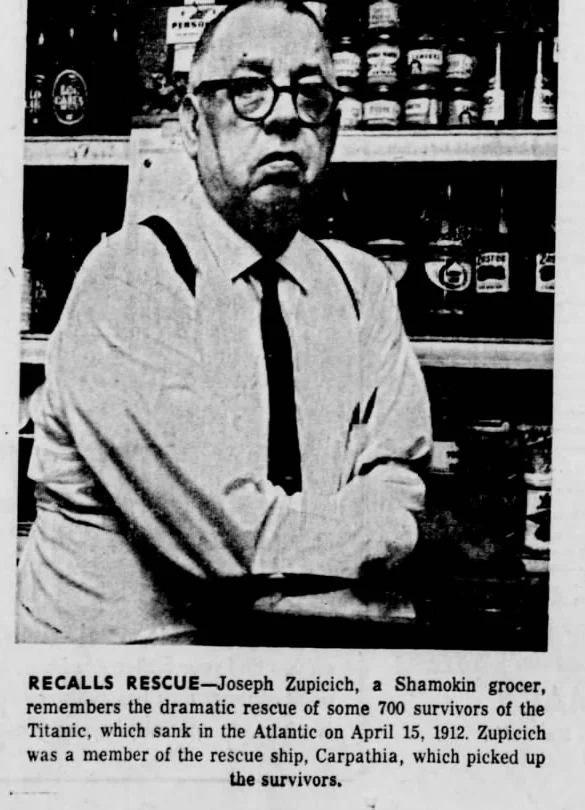
Joseph Zupicich’s late-life account connects service at sea with mining and a Shamokin grocery. Crew, accident, and directory records add detail while leaving some names and dates unresolved.
Newspaper coverage: 1921–1968
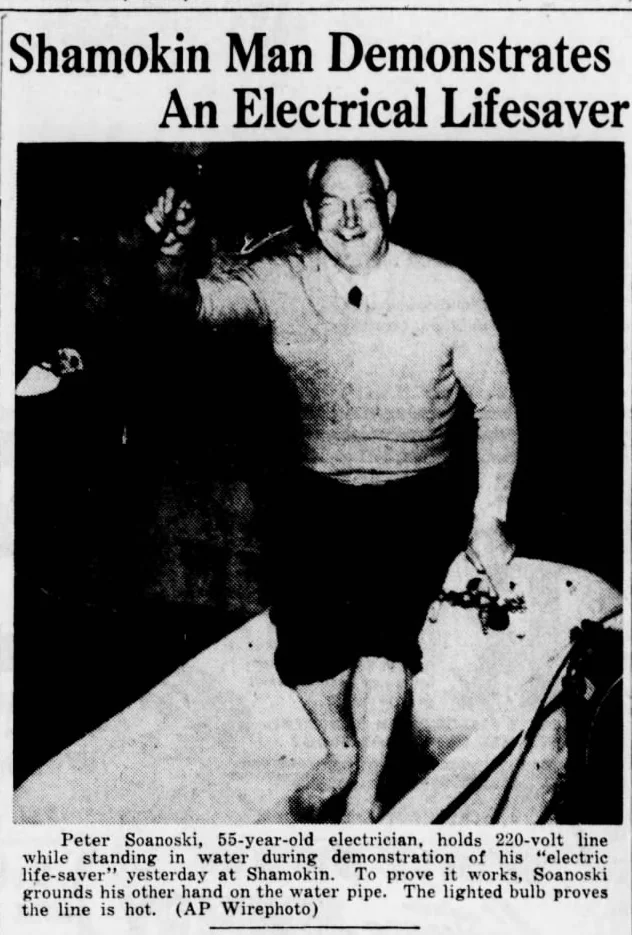
Mine lamps, breathing apparatus, heating equipment, protective electrical circuits, and garment steamers show how local technical work moved between workplaces, patent drawings, and the newspaper.
Newspaper coverage: 1871–1969
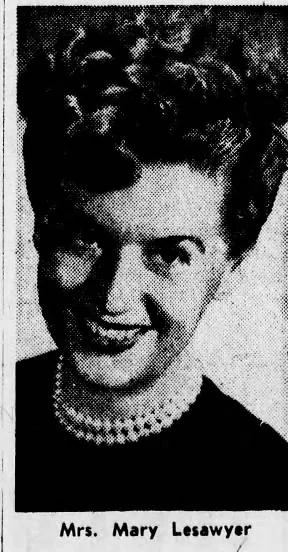
Hometown coverage followed Mary LeSawyer from a New York opera debut toward an international engagement.
Newspaper coverage: 1946–1958
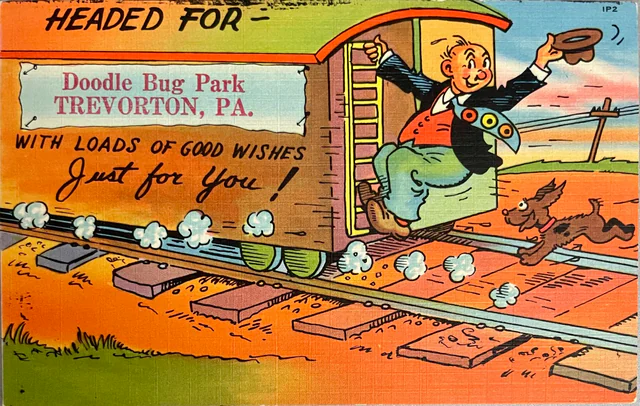
Coal operator and entrepreneur Modest Bernard Foieri opened Doodle Bug Park in 1958, creating a summer gathering place remembered by Shamokin-area families long after its 1976 closing.
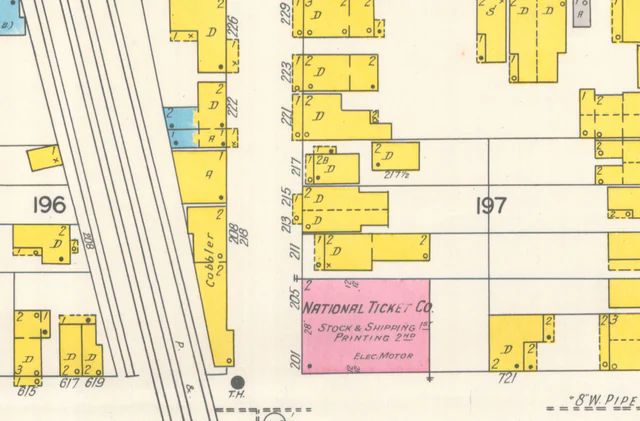
A 1942 fire and a 1950 construction announcement capture two sharply different moments in National Ticket’s history.
Newspaper coverage: 1942–1950
The label “Black Hand” appeared in reports of different regional crimes, but repetition did not prove a single connected network.
Newspaper coverage: 1904–1932
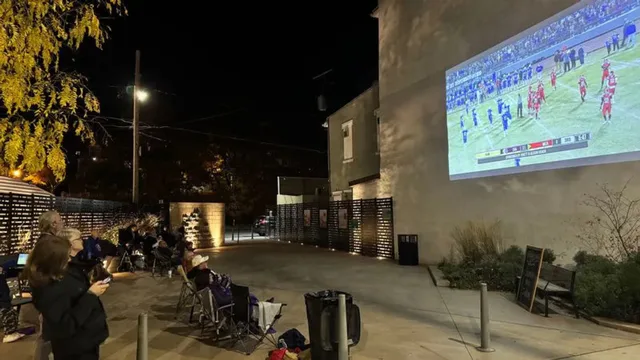
Bunker Hill’s rehabilitation program and the dispute over its shade trees place today’s downtown reuse and street plans in a longer history of neighborhood change.
Newspaper coverage: 1972–1977
Theodore Roosevelt’s October 1914 journey briefly brought a national political campaign to Shamokin.
Newspaper coverage: 1914
A two-page Danville obituary remembered Rufus K. Polk as an industrial manager, congressman and participant in the practical affairs of his community.
Newspaper coverage: 1902
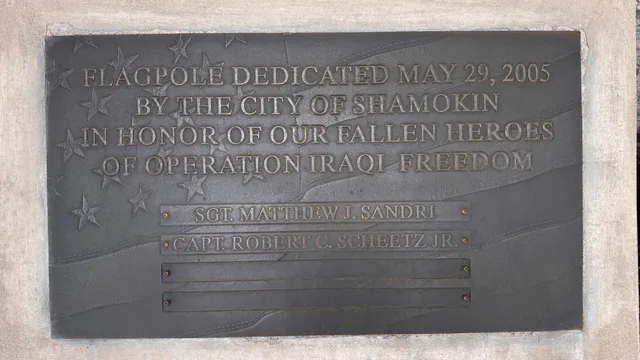
Shamokin’s military history includes naval namesakes and remembrance, an Army medical depot in 1941–42, and the neighborhood work of a wartime Red Cross campaign.
Newspaper coverage: 1942–1950
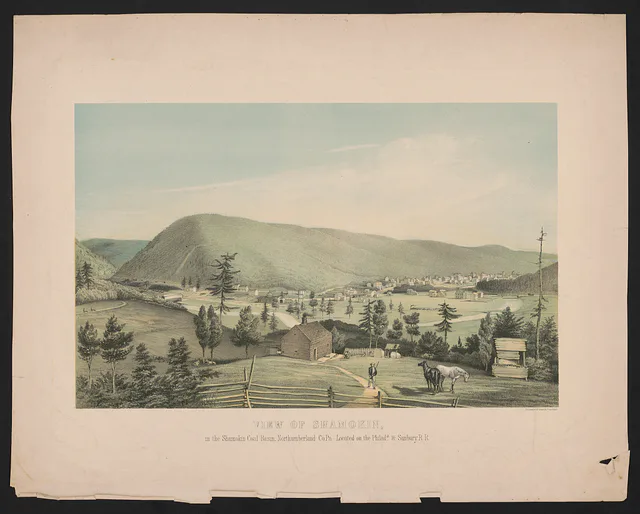
Move through nearly two centuries of Shamokin history, from the 1835 town plan and the railroad strike of 1877 to electric light, industrial change, landmark loss, and recent recovery.
A June 1873 disaster killed ten men at Henry Clay Colliery. Newspaper reporting preserved their loss; the later mine-inspector report added a casualty list, ventilation analysis, and an account of the inquest.
Newspaper coverage: 1873
An 1842 account described an operating furnace and ambitious plans for industry well before Shamokin became a borough.
Newspaper coverage: 1842
The records of a night watchman’s death and later trials require a careful distinction between accusation, conviction, and outcome.
Newspaper coverage: 1874–1879
In 1929, a one-minute blackout was proposed as the opening act of Shamokin’s tribute to electric light.
Newspaper coverage: 1929
Reports from 1904 trace an unidentified man’s discovery, a mistaken identification, and a renewed search for his name.
Newspaper coverage: 1904
Shamokin’s commemorations in 1929, 1939, and 1964 celebrated different occasions through shared public participation.
Newspaper coverage: 1929–1964
After the December 1916 fire, insurance decisions, property purchases, construction contracts, and an opening-night advertisement trace the Victoria’s return in January 1918.
Newspaper coverage: 1916–1918
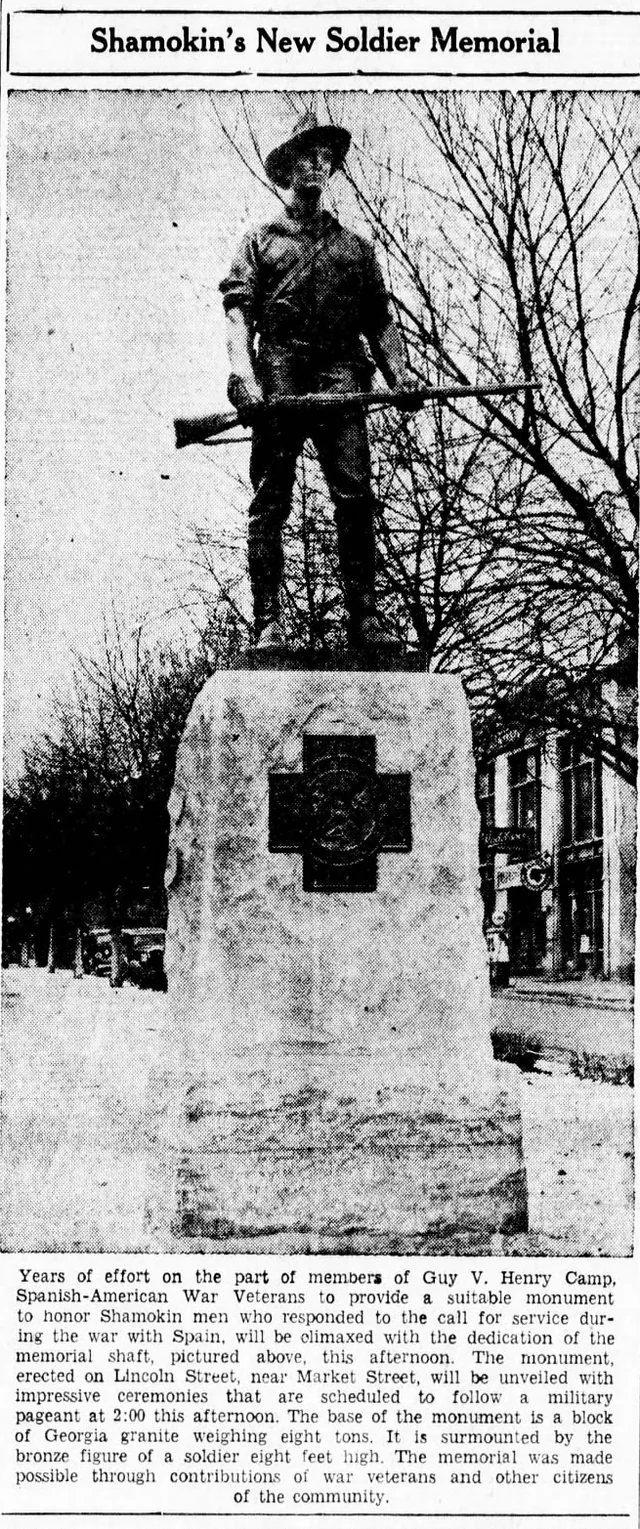
Monument dedications made headlines, while upkeep and later commemorations kept remembrance part of public life.
Newspaper coverage: 1871–1938
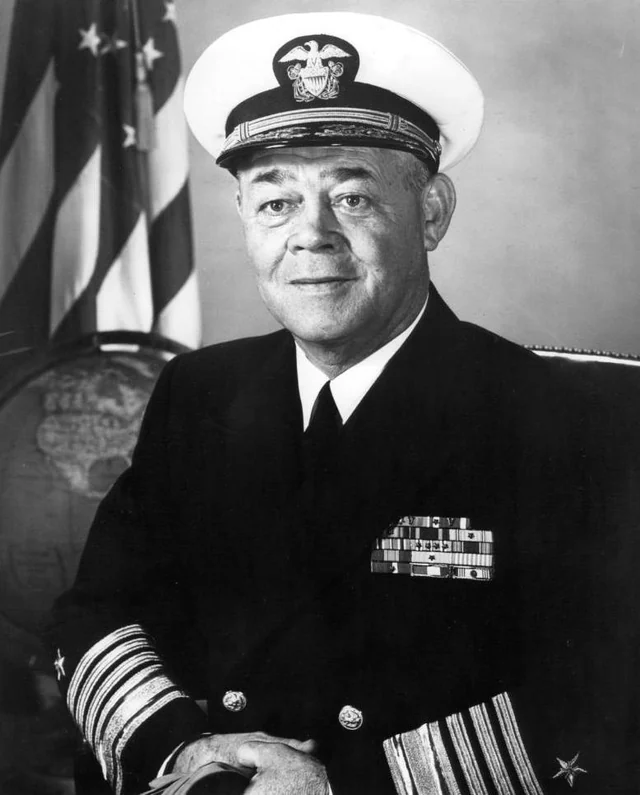
Herbert Hopwood, Michael Luchkovich, and Shirley Chater had different connections to Shamokin and different public careers.
Newspaper coverage: 1926–1994
A stone displayed in 1907 and a brief sighting in 1952 show the difference between an intriguing report and a settled explanation.
Newspaper coverage: 1907–1952
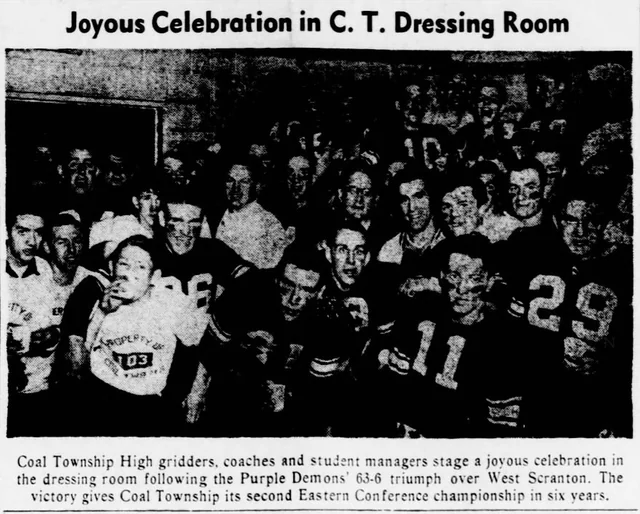
A baseball season finale and a football championship belong to local sporting memory on their own terms.
Newspaper coverage: 1927–1955
Reports about Radle and Helen Shaffer show why entry into the legal profession cannot be reduced to an unqualified claim of “first.”
Newspaper coverage: 1899–1934
Shamokin prepared lights and lodging for the Grand Army of the Republic’s state encampment in February 1890.
Newspaper coverage: 1878–1890
Reports of a Christ-like appearance in an altar cloth drew visitors to Holy Trinity Episcopal Church in 1977. Contemporary accounts record differing perceptions and the rector’s response; a later diocesan report traces the veil into institutional custody.
A hotel lamp introduced a new kind of street spectacle, while contracts, customer connections and machinery problems shaped the electric service behind it.
Newspaper coverage: 1883–1887
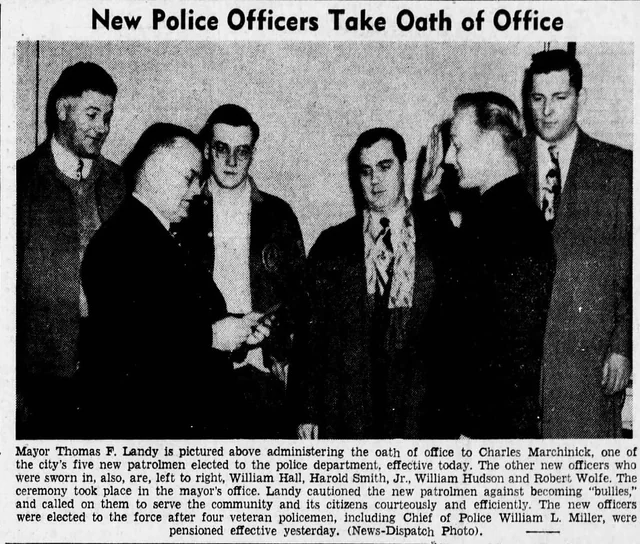
Radio equipment and new patrol arrangements changed how the police department organized its work after World War II.
Newspaper coverage: 1947–1964
The strikes of 1900 and 1902 reached public meetings, electric service and household relief in Shamokin—connected events, but not one interchangeable strike.
Newspaper coverage: 1900–1903
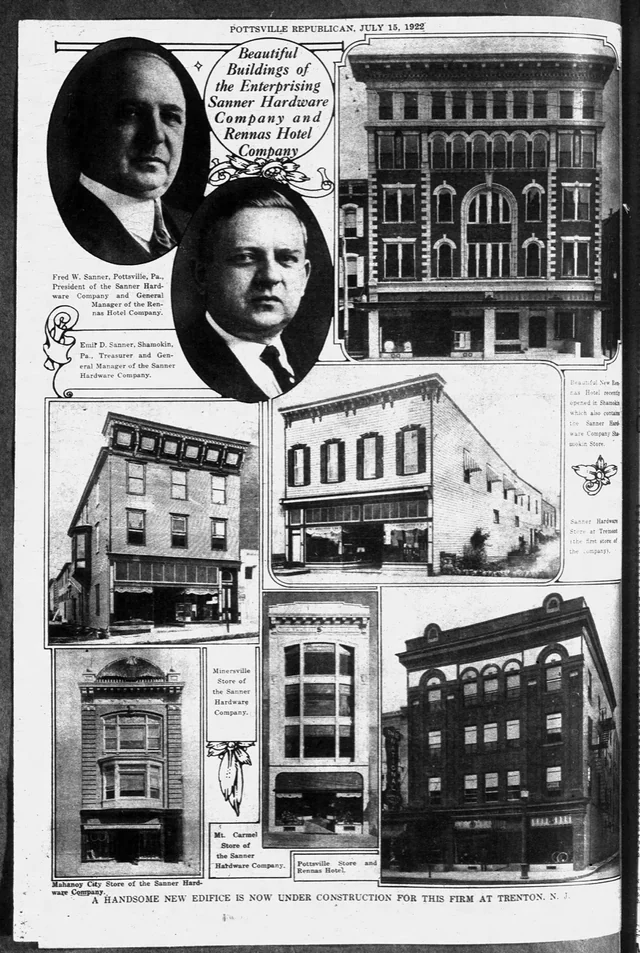
Directories and an 1885 map place hotels within Shamokin’s commercial streets. The Douty House fire of 1872 and a later hotel proposal show how loss and rebuilding shaped that landscape.
Newspaper coverage: 1872–1905
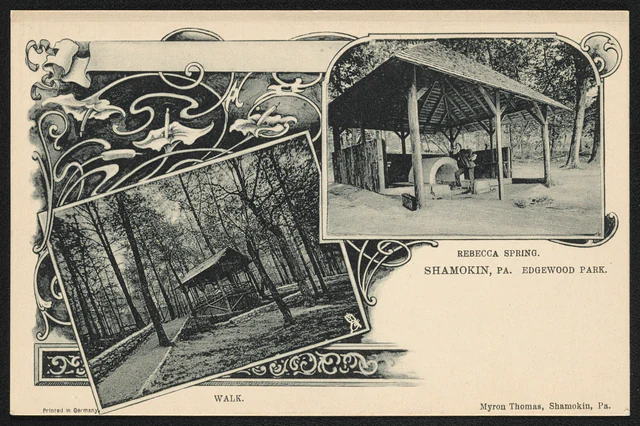
From Edgewood Park in the early twentieth century to later neighborhood parks and family attractions, recreation gave Shamokin-area residents places to gather beyond work and school.
Newspaper coverage: 1898–1949