Story
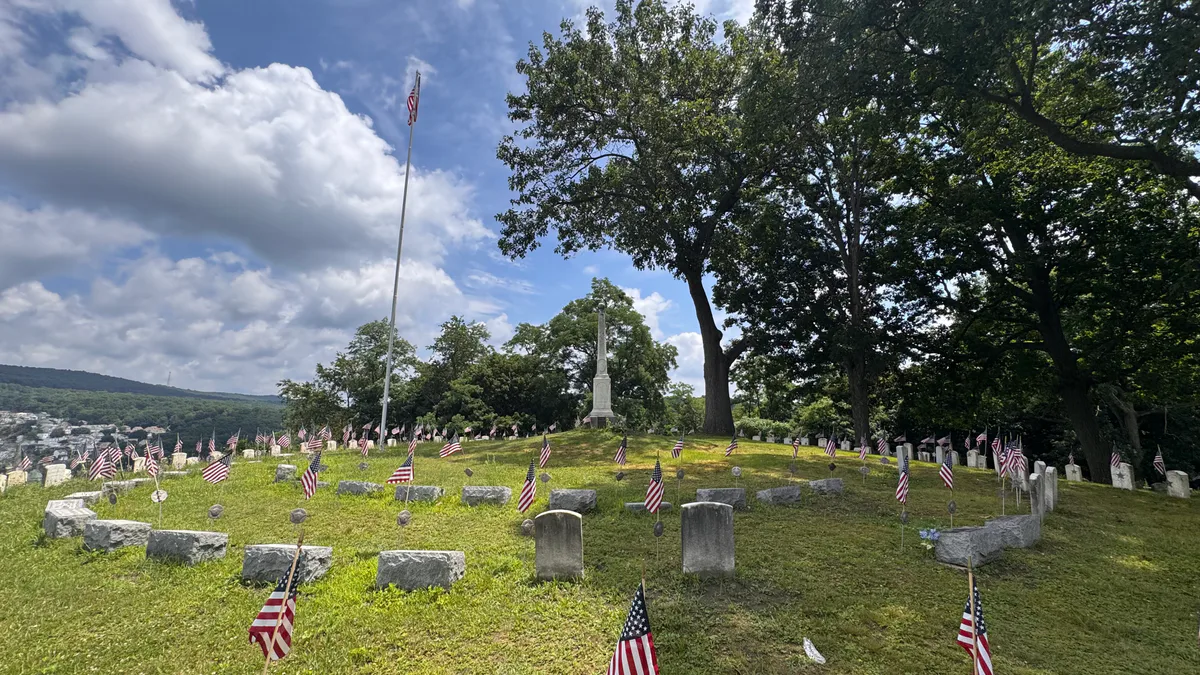
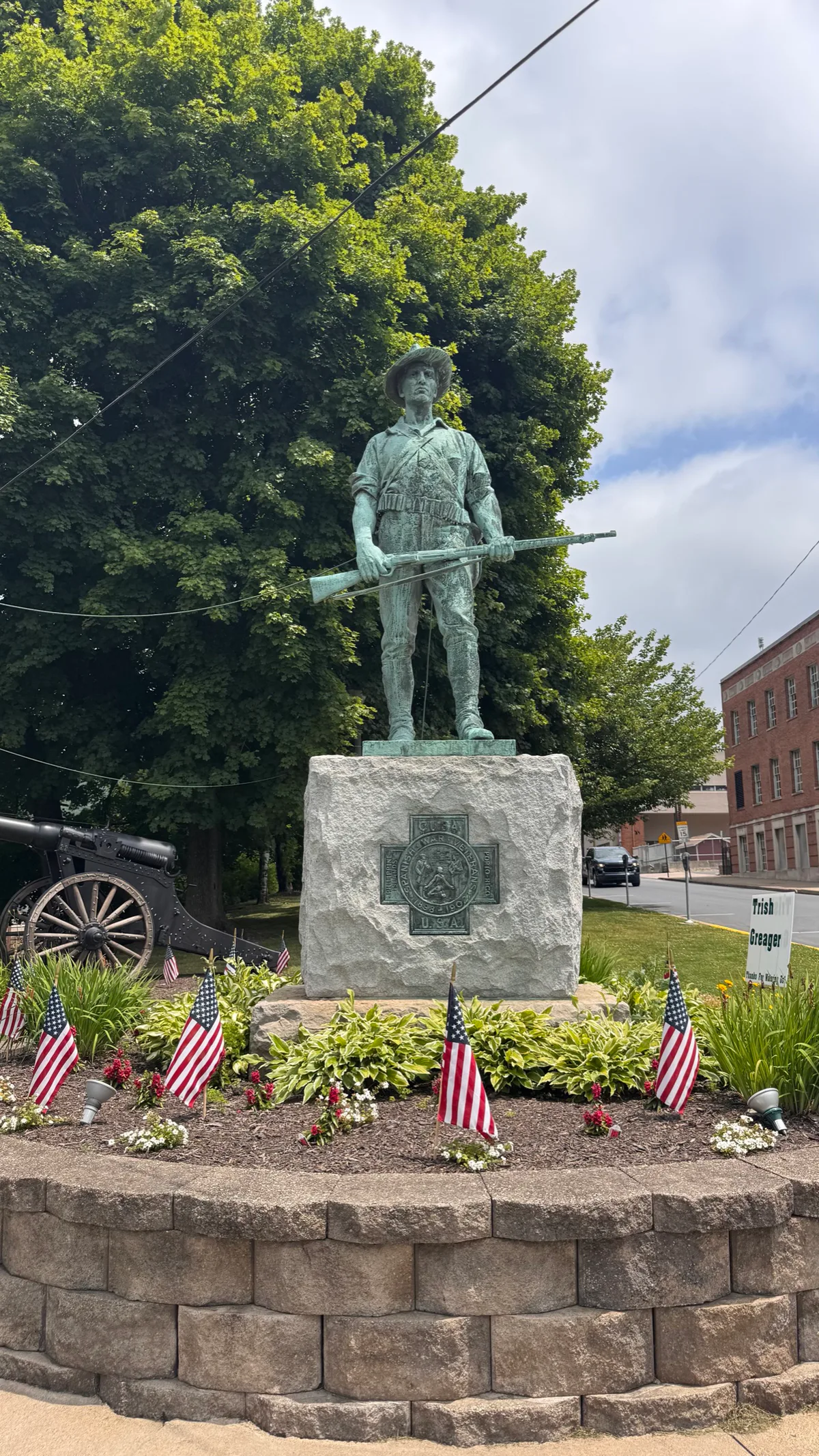
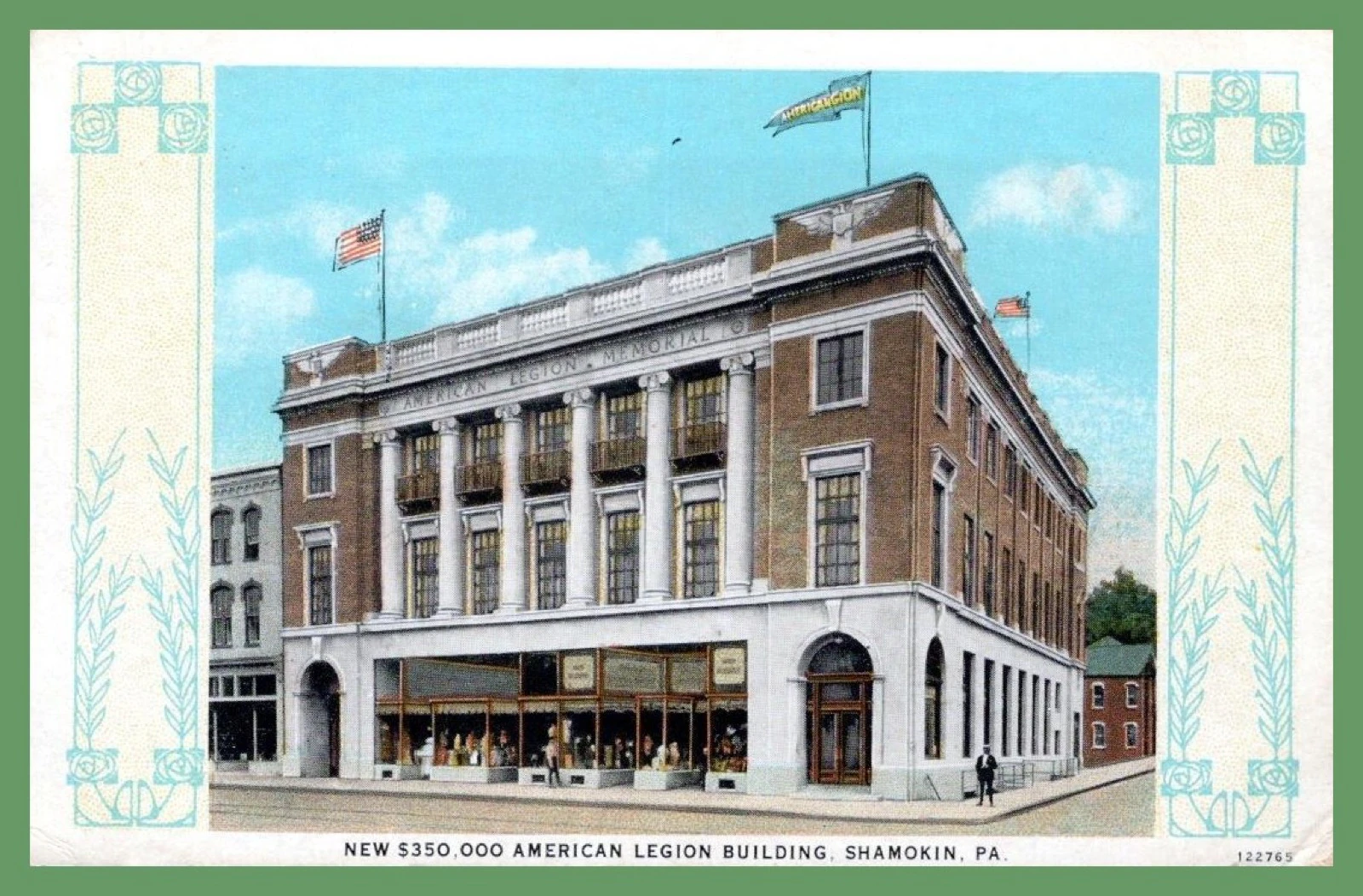
Veterans & remembranceService, Ships, and Remembrance
Shamokin’s military history includes naval namesakes and remembrance, an Army medical depot in 1941–42, and the neighborhood work of a wartime Red Cross campaign.
The Name Shamokin at Sea
Naval History and Heritage Command records document two United States Navy vessels named Shamokin. Their separate histories carry the city’s name into different periods of naval service and should not be collapsed into one ship or one continuous service record.
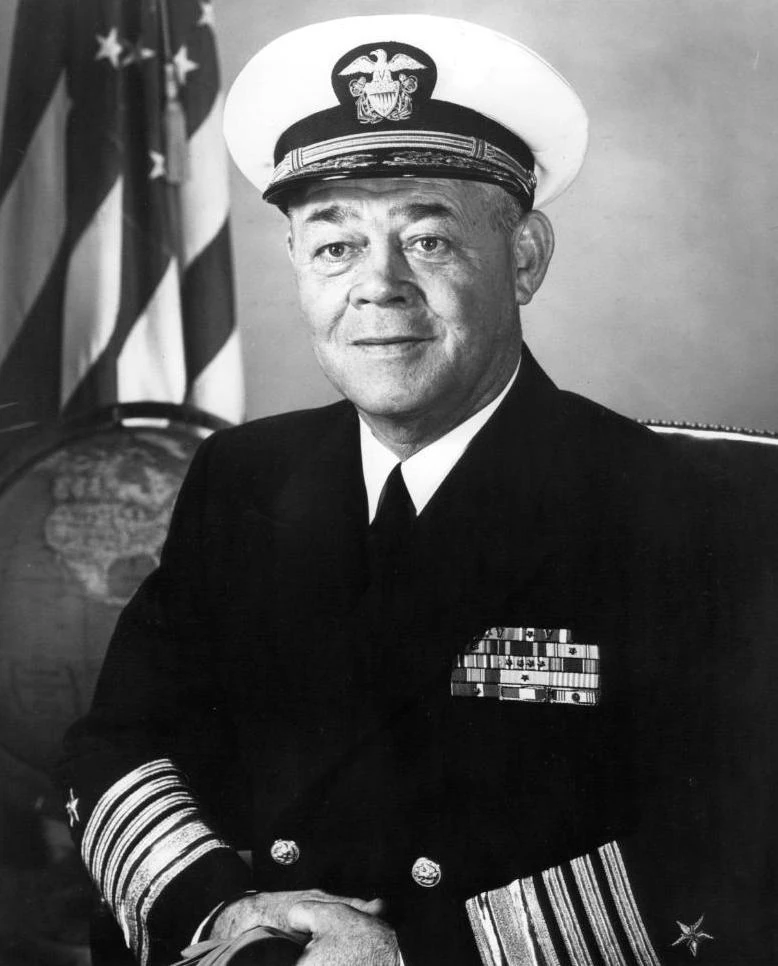
A Local Connection to Pacific Command
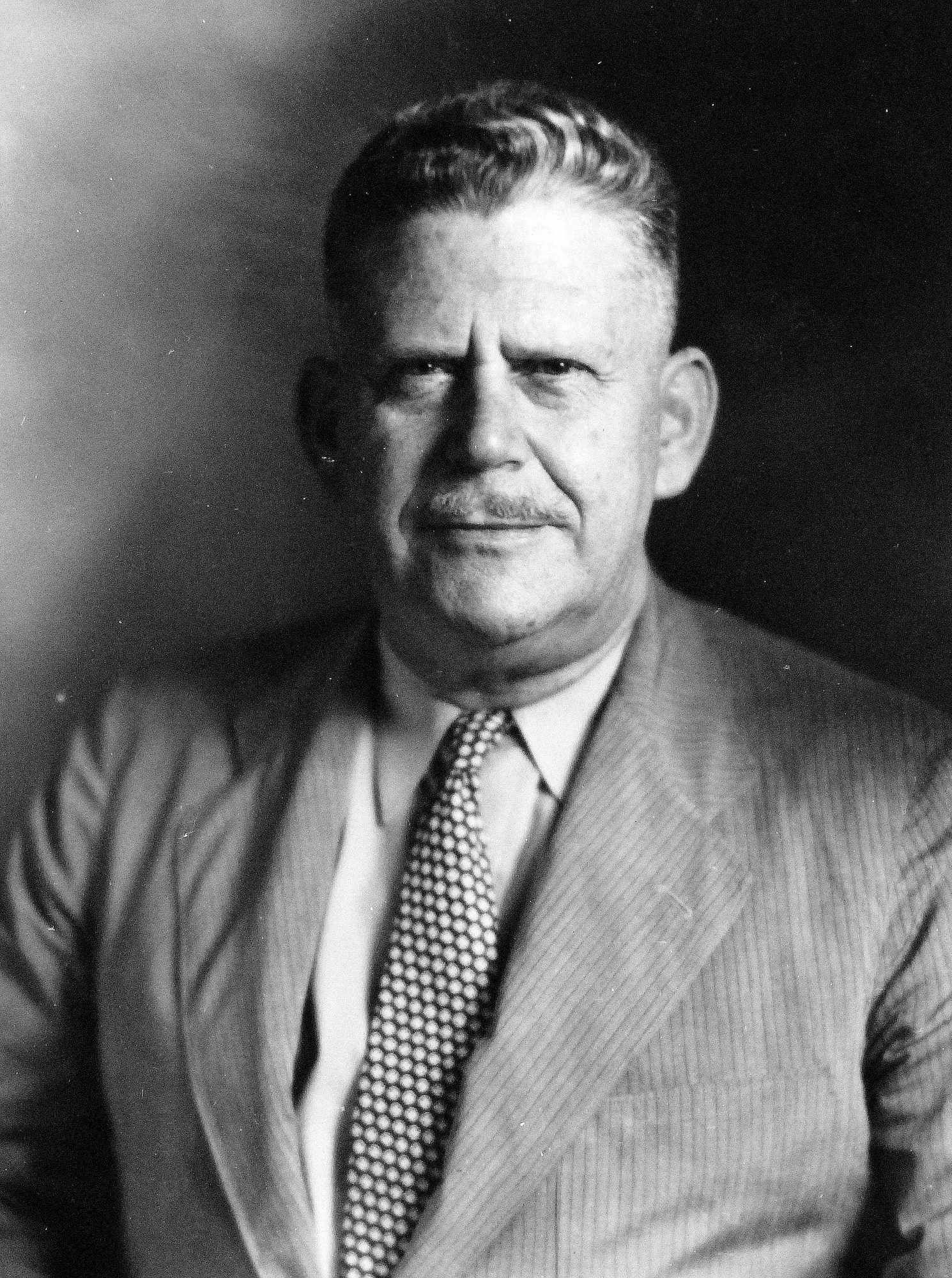
The U.S. Pacific Fleet’s official roster documents Herbert G. Hopwood among its previous commanders. His Shamokin connection belongs within a broader story of local service, while exact life details and individual claims remain limited to the facts established by their own cited records.
Honor Rolls Preserved with Care
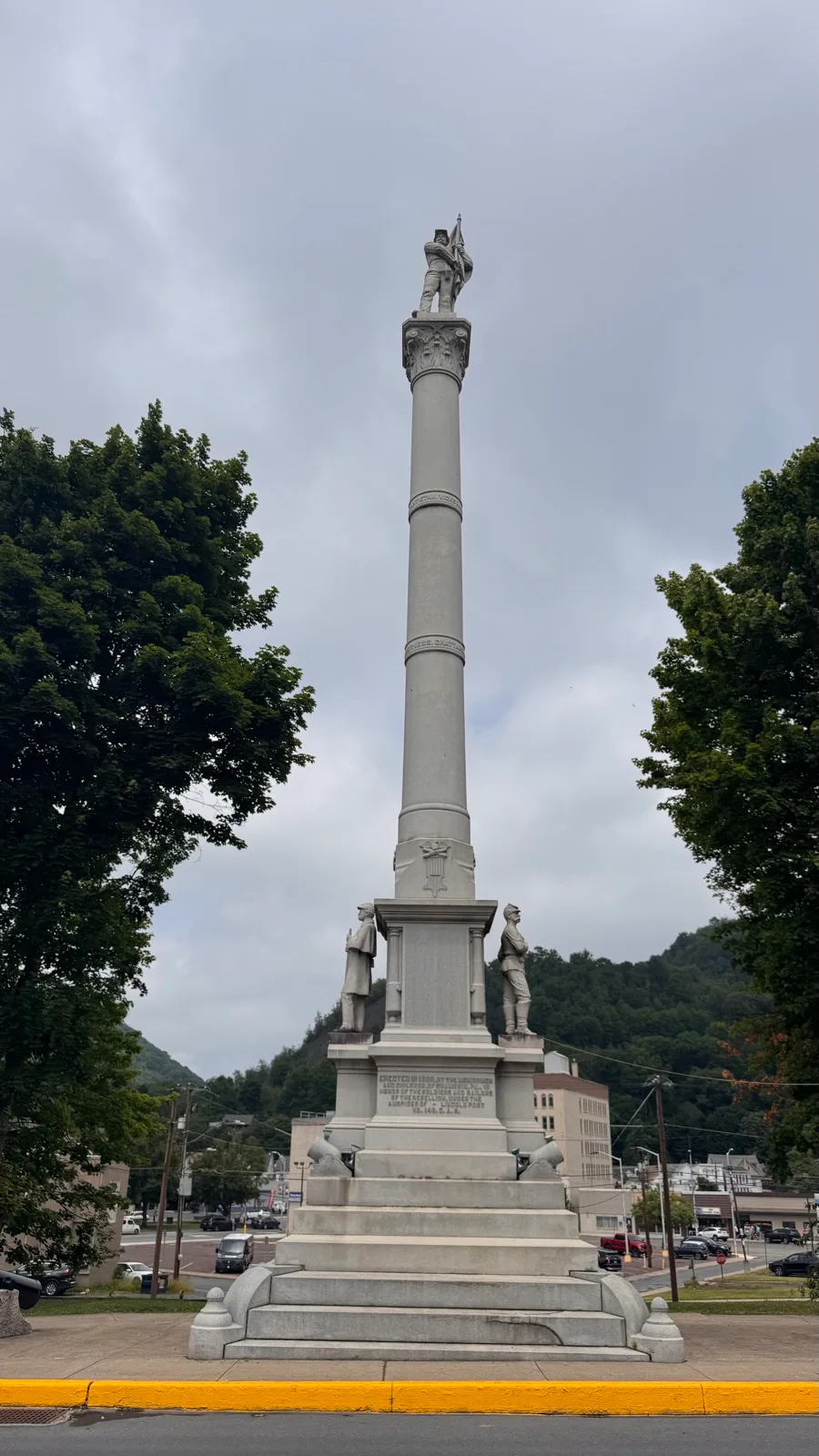
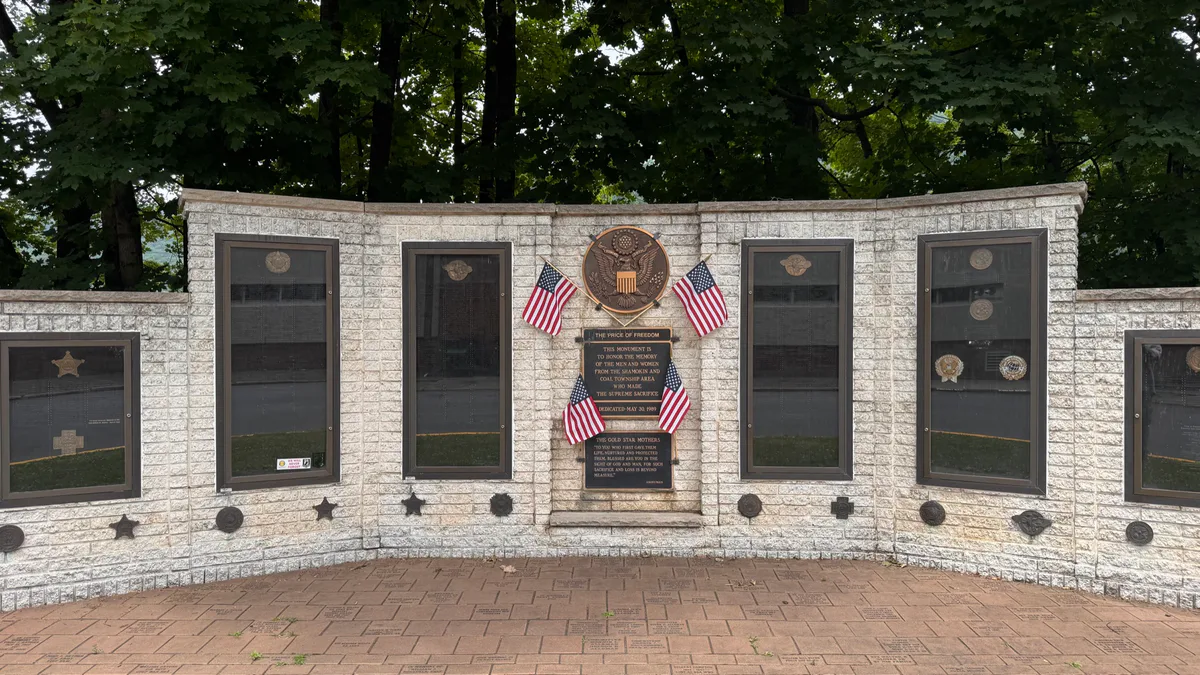
A wartime Victory Report preserves a joint Gold Star Honor Roll, a dedicated Shamokin Borough Honor Roll, and Coal Township sections for Brady, Coal Run, and Boydtown. These distinct rolls show how the communities recorded and remembered wartime service.
An Army medical depot, 1941–42
Shamokin’s wartime role included an Army medical installation as well as the service of its people. The Army’s official medical-supply history identifies the Shamokin General Depot, Medical Section, with an activation date of July 19, 1941. Its table lists 35,000 square feet of warehouse storage and classifies the mission as an International Aid Depot. The same entry records closure in February 1942. It was a comparatively brief operation within the Army’s medical-supply system.
A Federal Reserve report dated August 22, 1941 captures a different aspect of the moment: expectations about defense employment. Compiling bank-relations reports for July, it said the Army was establishing a large storage depot in Shamokin and anticipated about 1,000 civil-service jobs, with annual salaries of $1,400 to $1,700. Those figures were a forecast. They describe what the report expected the depot to provide, not a recorded payroll or a count of people actually hired.
Read together, the two federal accounts place a depot and the hope of defense work in Shamokin in 1941, while giving the medical section a definite institutional chronology. The installation’s short recorded life is distinct from the longer story of local service and remembrance. The medical history supplies its name, mission, storage area, and dates; the employment forecast belongs to the contemporary expectations surrounding Army activity in the city.
A committee for the war effort
In January 1942, another form of wartime organization took shape. The Shamokin News-Dispatch reported on January 7 that the Shamokin–Coal Township Territorial War Activities Committee had been formed the previous evening, with Chester K. Robertson elected chairman. It was intended to handle wartime activities that were not already the specific responsibility of existing organizations. Its first task was a Red Cross War Fund drive scheduled for January 18 through 24.
The local quota was $12,500 within a national $50 million campaign for wartime services to the armed forces and assistance to victims of war disasters. Organizers planned a house-to-house canvass extending through Coal Township and surrounding communities, including Coal Run, Tharptown, Elysburg, and Paxinos. Ward and district leaders would recruit aides. The geography of the drive was wider than the city itself, bringing neighboring settlements into one territorial effort.
The committee divided work among familiar local networks: clergy, banks, industries, labor, stores, organizations, speakers, and publicity. Red Cross chapter president Douglas McWilliams and treasurer Eugene Zartman would serve with it, and Zartman would handle the drive’s treasury. Named leaders included John Oshinski for labor and William A. Conway for industries. These assignments show a campaign organized through workplaces and community institutions as well as individual homes.
The Red Cross drive at the doorstep
The scheduled week did not end the work. On January 27, the News-Dispatch reported a follow-up canvass intended to reach homes without Red Cross window stickers. Robertson said a survey found approximately 40 percent of area homes were not displaying them, while acknowledging that some residents had contributed without putting up a sticker. A window could advertise participation, but an empty one did not necessarily mean its occupants had failed to give.
The continuation recalled a contribution of $98 from the Fairview Fire Company, raised at a Saturday gathering. It also reported that the total announced at noon the previous day had been $9,475.21. By noon January 28, campaign headquarters reported $11,111.64, leaving $1,388.36 to reach the quota. Workers were to continue through the week, and people who had not been visited could telephone Red Cross headquarters at 2221 to arrange collection.
The January 29 report still described an unfinished effort. Only a few small contributions had arrived after the previous noon’s announcement, and organizers continued contacting homes and businesses. The news at that point was not a victory proclamation, but an appeal to keep working toward the goal. Alongside the Army depot’s administrative dates, the campaign preserves a more personal home-front history: meetings, assigned routes, window stickers, a telephone number, and donations gathered one visit at a time.
A Neighborhood Honor Roll at Third and Spruce
An honor-roll board stood at Third and Spruce Streets in October 1950. Its story reaches us through an account of damage, not a dedication ceremony. On October 23, the Shamokin News-Dispatch reported that the board had been vandalized the previous night. A spokesperson for the Sixth Ward Honor Roll Committee described broken fence posts and veneer torn from its front.
The board gave remembrance a neighborhood address. The committee’s response also shows that people were watching over it: the paper said an investigation was under way. That report does not tell us which war or veterans the board commemorated, whether it was repaired, or what became of it. Its location and the committee’s name nevertheless preserve a distinct part of Shamokin’s commemorative landscape, separate from better-known permanent monuments.
Image gallery
Open any image to view the full-size photograph or document.