Story
Fires, disasters & public safetyOrganizing for Public Health
1919 Seal Sale
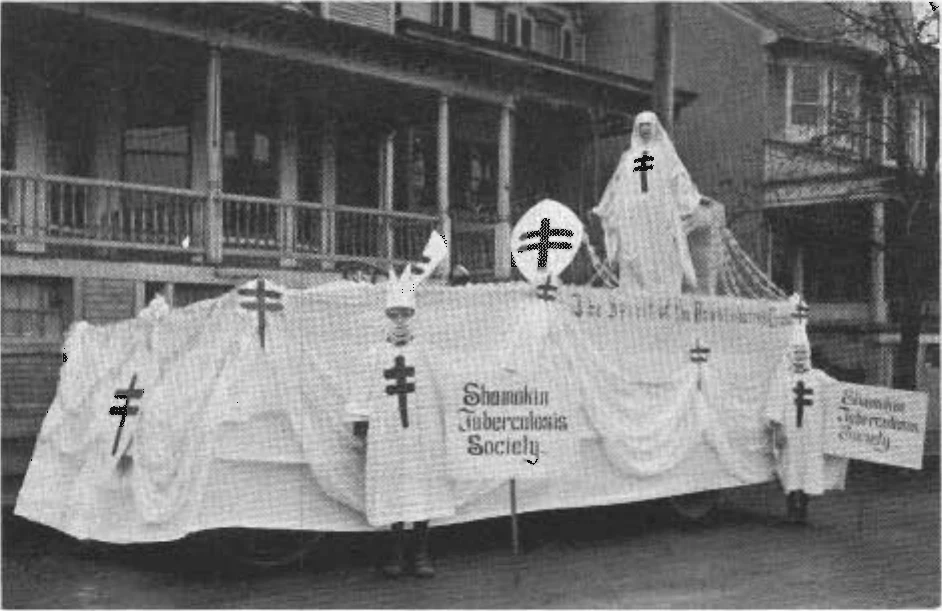
During the influenza emergency of 1918, care reached from an overcrowded hospital into family homes. Tuberculosis education, a 1919 Seal Sale, and clinic work show other forms of local health organization.
Education and Community Organization
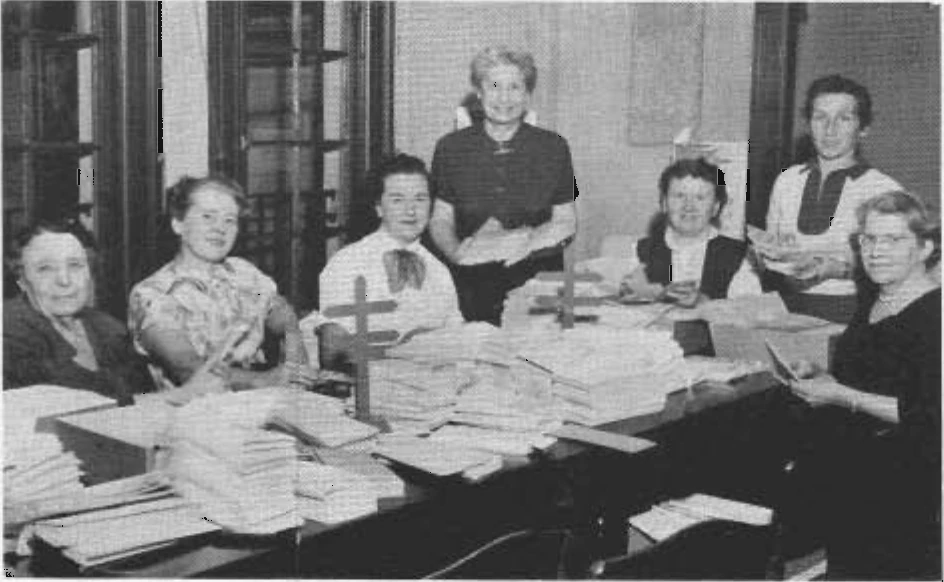
The centennial history describes organized tuberculosis education in the Shamokin area, showing public health as community work involving information and coordination.
A Seal Sale in 1919
The account identifies a 1919 Seal Sale as part of local fundraising.
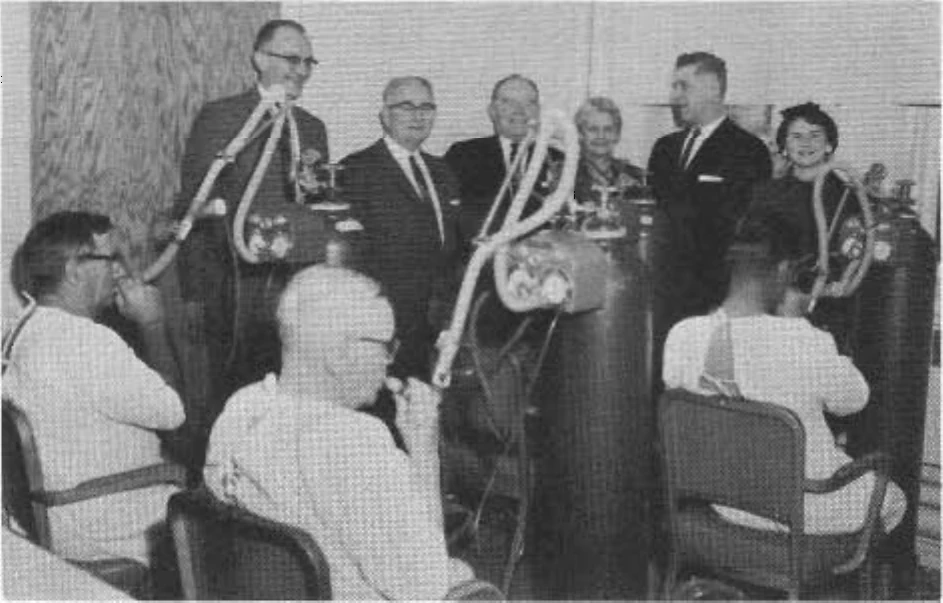
Clinic Work in the Historical Record
Clinic work also appears in the centennial narrative. Together with education and fundraising, it documents several forms of organized response.
Influenza reaches the coal region
In autumn 1918, influenza placed Shamokin within a wider emergency affecting the anthracite towns. A near-contemporary account by Oscar Jewell Harvey records a report delivered to Wilkes-Barre’s General Committee on October 15: there were said to be 4,000 cases in Shamokin and Minersville together. That combined figure conveyed the scale of the emergency beyond Wilkes-Barre; it was not a count for Shamokin alone.
Illness also interrupted the work that supported the region. The Commercial and Financial Chronicle’s November 2 report, drawing on Fuel Administration and Anthracite Committee statements, named Shamokin among communities reporting difficult conditions. Across Schuylkill, Northumberland, and Luzerne counties, collieries were described as closing or working with depleted crews. Its production-loss estimates covered the region. The report places Shamokin in that disruption without assigning a particular shutdown or tonnage loss to a local mine.
Care at Edgewood and at home
The Sisters of Charity of New York preserve another view of the emergency: the practical work of caring for people. Margaret Donegan’s 2020 account, drawing on the congregation’s history and sisters’ letters, identifies fourteen sisters who responded in Shamokin. It describes their first day at the overflowing Edgewood Emergency Hospital, where supplies were limited. They began bathing, comforting, and feeding patients. In this recollection, care began with the immediate needs in front of them.
Donegan gives several sisters distinct responsibilities. Angela Dolores Stack served as head night nurse and took charge of medicines. Rose Mercedes Gillespie answered the telephone and received new cases arriving through the night. Gertrude Miriam Hunt and Mary Liberata Hyland visited families at home, taking medicine and food. Soup, potatoes, tea, coffee, and sugar appear beside hospital duties: illness demanded help with the household as well as attention at a bedside.
The same account remembers less visible assistance. Relatives drove sisters to the hospital, and one sister’s mother undertook the ironing of collars and sleeves. These details place the response within a network of travel, laundry, supplies, and family labor. The sisters were already connected with St. Edward’s educational work in Shamokin. Their service during the emergency became part of the congregation’s memory of its long relationship with the town.
Donegan also remembers sisters attending funerals and visiting grieving relatives. Her continuation tells of Mary Stella Murray becoming seriously ill after work at the hospital and the mayor visiting the convent to watch over her. The recollection follows care from the hospital into homes, bereavement, and the sisters’ own illness, showing how those providing help could also need it.
Emergency work and lasting organization
The industrial report and the sisters’ account illuminate different parts of the same crisis. One describes depleted workforces across the coal region; the other follows hospital work and assistance carried into homes. Together they show how a health emergency reached employment, family routines, and community care. They also sit beside Shamokin’s later-remembered tuberculosis education, fundraising, and clinic work: public health depended on organized local effort in more than one setting.
Image gallery
Open any image to view the full-size photograph or document.